Custom Joinery & Built-In Furniture in Dubai: When It Matters, When It Doesn’t, and Why It Defines a Space
Articles
Jun 5, 2025
5 Min Read
There is a subtle moment when you walk into a space and immediately sense that it has been thought through. Nothing jumps out aggressively. There is no obvious luxury statement. Yet everything feels intentional. That feeling usually comes from custom joinery.
More Articles
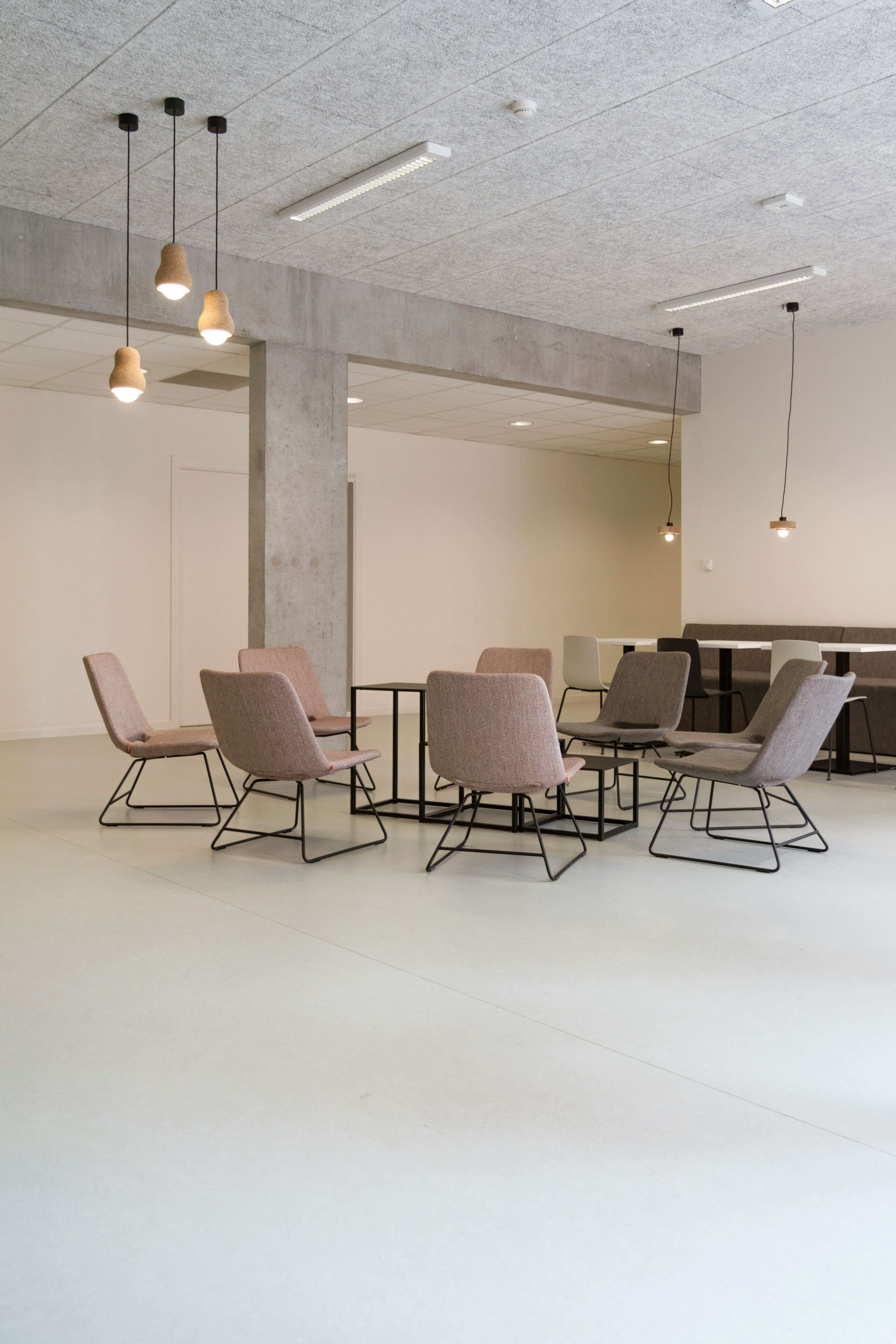

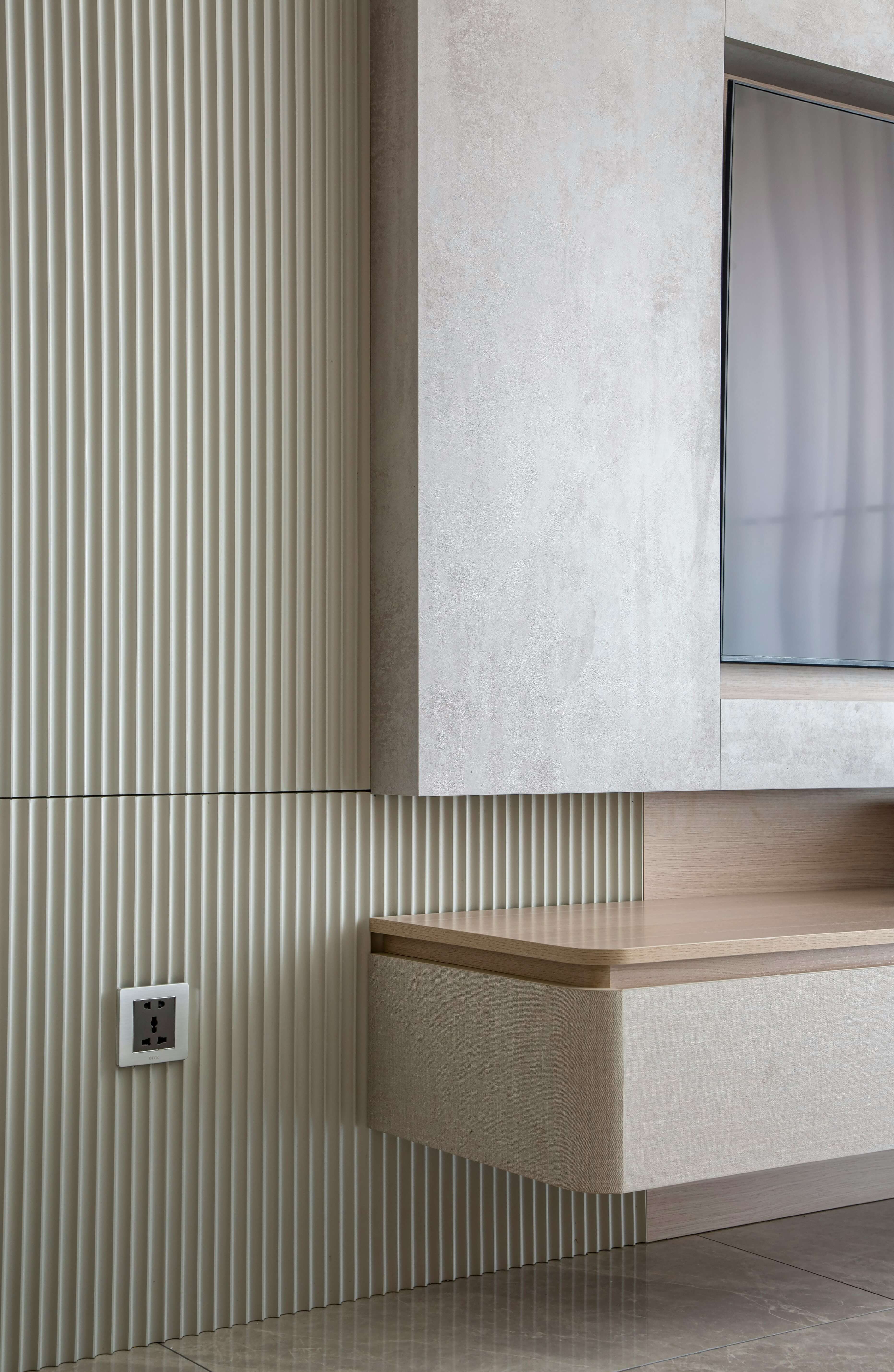
In Dubai, where many properties share similar layouts, ceiling heights, and base finishes, custom joinery and built-in furniture are often what separate a space that merely looks good from one that functions effortlessly over time.
This article explains what custom joinery actually means in practice, how it is used professionally in Dubai projects, what people commonly misunderstand, and how bespoke elements quietly shape daily life—without becoming excessive or impractical.
How Custom Joinery Is Typically Used in Dubai
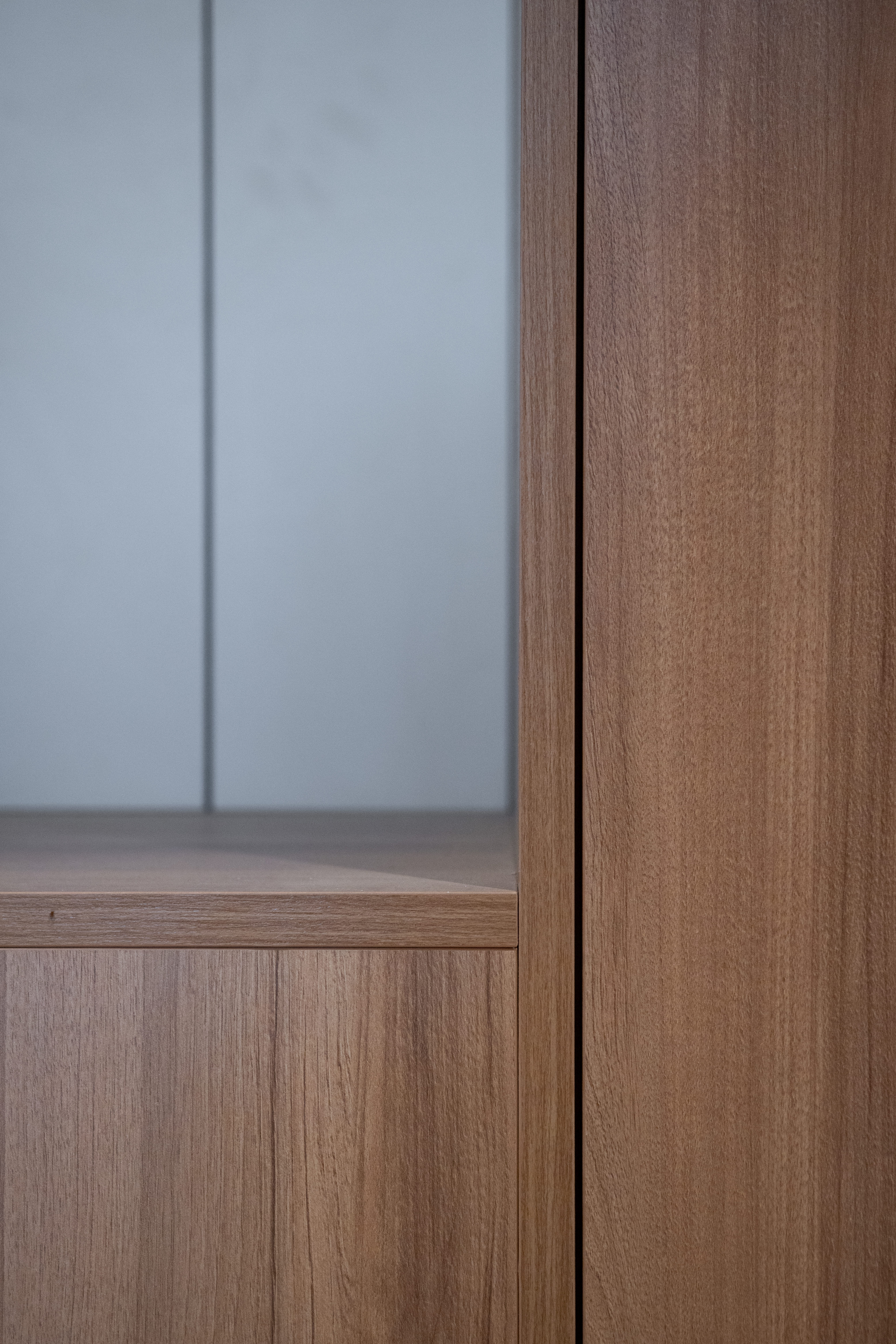
Custom joinery refers to built-in, made-to-measure interior elements, produced specifically for a space rather than selected from standard catalogues.
In Dubai interiors, joinery most often appears in:
kitchens and pantry systems
wardrobes and walk-in closets
TV walls and media units
storage walls and concealed cabinetry
bathroom vanities
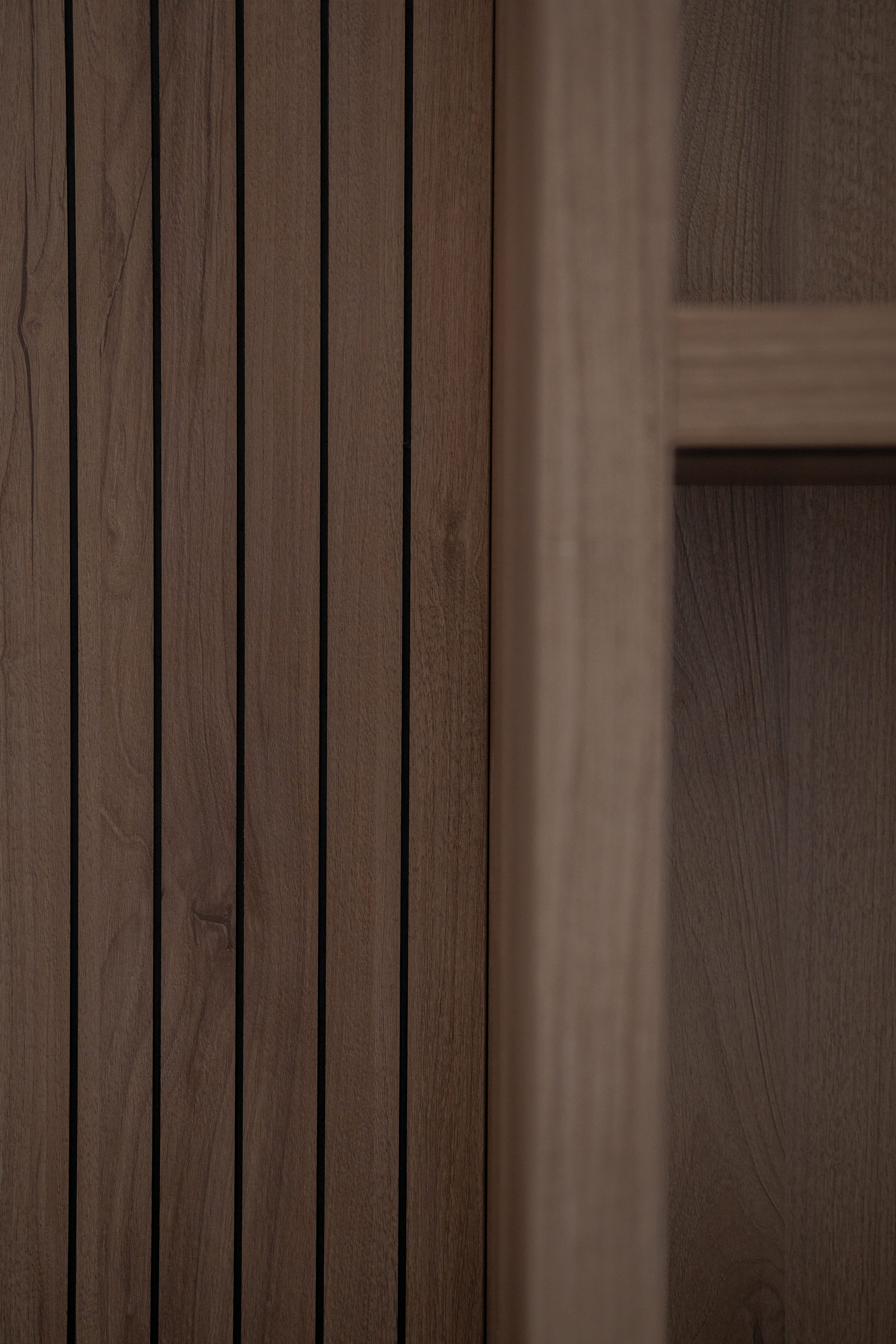
wall cladding and architectural panels
integrated shelving and display units
Because many Dubai apartments and villas are delivered with standardised layouts, custom joinery becomes a tool for adapting the space to how people actually live—rather than adapting life to the space.
The Real Purpose of Custom Joinery (Beyond Aesthetics)
A common misconception is that joinery exists to make interiors “luxurious.” In practice, its primary role is problem-solving.
Professionally designed joinery usually addresses:
lack of storage
inefficient layouts
awkward corners and dead zones
visual clutter
poor proportion between furniture and space
transitions between zones
Luxury is often a by-product—not the goal.
What People Commonly Get Wrong About Custom Joinery
Mistake 1: Using Joinery Everywhere
Custom does not mean better in every situation. Overusing joinery can make a space feel heavy, inflexible, or overly controlled.
Professional mindset:
Use joinery where it removes friction. Leave breathing space elsewhere.
Mistake 2: Designing Joinery as “Furniture”
Joinery is not freestanding furniture attached to a wall. It is part of the architecture of the space.
When designed without considering:
wall alignment
ceiling heights
lighting integration
door swings
maintenance access
it quickly becomes inconvenient rather than helpful.
Mistake 3: Prioritising Finish Over Function
Beautiful finishes cannot compensate for:
insufficient depth
poor internal layouts
unusable shelves
doors that clash with circulation
Joinery that looks good but doesn’t work ages poorly.
Mistake 4: Copying Reference Images Blindly
Many reference images come from properties with different:
ceiling heights
wall thicknesses
building systems
Direct copying often leads to awkward proportions in Dubai properties.
How Professionals Approach Custom Joinery Design
Experienced teams treat joinery as a system, not an object.
Step 1: Behavioural Analysis
Before drawing anything, professionals ask:
What needs to be stored here?
How often is it accessed?
Who uses it daily?
What should remain visible vs hidden?
This prevents decorative but impractical solutions.
Step 2: Spatial Integration
Joinery is aligned with:
ceiling lines
lighting design
electrical points
air-conditioning diffusers
This ensures it feels intentional rather than inserted.
Step 3: Internal Logic
Good joinery is defined more by its interior than its exterior:
adjustable shelving
correct hanging heights
soft-close hardware
ventilation gaps
access panels
These details are invisible—but they determine long-term satisfaction.
Step 4: Material Selection for Dubai Conditions
Materials are selected based on:
humidity resistance
temperature stability
cleaning frequency
longevity
Not all materials that look good in showrooms perform well in real Dubai conditions.
Where Custom Joinery Adds the Most Value (Dubai Context)
1. Kitchens
Custom kitchen joinery allows:
better storage planning
integrated appliances
improved workflow
cleaner visual lines
In apartments especially, this can transform how the space functions daily.
2. Wardrobes and Storage
Standard wardrobes often waste vertical space. Custom wardrobes:
use full height effectively
adapt to personal storage needs
reduce visual clutter
This is particularly valuable in family homes and holiday rentals.
3. TV Walls and Living Areas
Joinery here is not about decoration—it’s about:
cable management
device ventilation
balanced proportions
integrating storage subtly
Done well, it disappears into the background.
4. Home Offices and Multi-Use Zones
With more people working from home, joinery helps:
define zones without building walls
hide work equipment after hours
maintain visual calm
This is one of the fastest-growing joinery applications in Dubai homes.
5. Commercial and Retail Spaces
In boutiques, offices, and hospitality:
joinery communicates brand values
controls circulation
supports product display
improves durability under high use
Precision matters more than decoration here.
Custom Joinery vs Loose Furniture: A Practical Comparison
Aspect | Custom Joinery | Loose Furniture |
Fit to space | Exact | Approximate |
Storage efficiency | High | Moderate |
Flexibility | Lower | Higher |
Visual integration | Seamless | Variable |
Longevity | High (if designed well) | Varies |
Initial cost | Higher | Lower |
Professionals rarely choose one exclusively. The strongest interiors combine both intentionally.
Cost Perspective (Without Misleading Promises)
Custom joinery is an investment, but not every joinery piece is expensive by default.
Cost is influenced by:
complexity of design
material selection
hardware quality
installation precision
Well-planned joinery often reduces spending elsewhere by:
eliminating unnecessary furniture
improving durability
preventing future modifications
Practical Dubai Scenarios
Scenario A: Apartment Living
Problem: limited storage, cluttered rooms
Solution: built-in wardrobes, storage walls, integrated TV unit
Result: calmer space, fewer visible objects
Scenario B: Holiday Home
Problem: inconsistent guest experience, storage chaos
Solution: durable built-ins, simplified layouts
Result: easier cleaning, better reviews
Scenario C: Villa (Family)
Problem: oversized spaces feel empty or disorganised
Solution: zoning through joinery, storage integrated into architecture
Result: spaces feel intentional and lived-in
Scenario D: Retail or Boutique
Problem: product display lacks structure
Solution: bespoke display joinery aligned with brand identity
Result: clearer flow, elevated perception
What to Consider Before Committing to Custom Joinery
Ask yourself:
What problem am I trying to solve?
Will this piece be used daily or occasionally?
Does it need to be flexible in the future?
Is maintenance and access considered?
Is the scale right for the space?
If these questions are answered clearly, joinery becomes an asset—not a liability.
Maintenance and Longevity
Good joinery is designed with:
service access
hardware replacement
finish durability
Maintenance contracts often include:
hinge and drawer adjustments
minor alignment corrections
surface touch-ups
This keeps joinery performing well over time.
FAQs
1. Is custom joinery always more expensive?
Not always. Strategic joinery can replace multiple furniture pieces and improve long-term value.
2. Can joinery be added later?
Yes, but integration is smoother when planned during renovation or fit-out.
3. Does joinery limit flexibility?
Only if overused. A balanced approach preserves adaptability.
4. Is custom joinery suitable for rental properties?
Yes, especially when designed for durability and easy maintenance.
5. How long does custom joinery last?
With proper design and materials, it can last many years with minimal intervention.
6. Does joinery require approvals?
Generally no, unless it affects structure or building systems.
7. What’s the biggest joinery mistake?
Designing it for appearance rather than daily use.
Custom joinery is not about making a statement. It is about removing friction from daily life.
When designed and executed with restraint, clarity, and experience, built-in furniture becomes almost invisible—yet deeply felt in how a space functions.
That is the quiet power of good joinery.
Similar Topic