Property Maintenance Contracts in Dubai: What They Really Cover (and Why They Matter More Than Most Owners Think)
Articles
Sep 18, 2025
4 Min Read
Property maintenance is rarely something people plan for with enthusiasm. It usually enters the conversation after something stops working: an AC that no longer cools evenly, a small leak that becomes visible, a door that won’t close properly, or a circuit that trips repeatedly.
In Dubai, these moments tend to arrive faster than expected—not because properties are poorly built, but because climate, usage intensity, and building systems demand ongoing attention.
This article explains what property maintenance contracts in Dubai actually include, how they are structured for residential and commercial properties, what people commonly misunderstand, and how professional maintenance prevents issues long before they turn into disruptions.
How Property Maintenance Usually Works in Dubai
Dubai properties operate under conditions that are specific to the region:
extended AC usage for most of the year
temperature fluctuations between indoor and outdoor environments
humidity exposure in coastal areas
high occupancy turnover in rental and holiday homes
mixed-use developments with shared systems
Maintenance is not about fixing “bad construction.” It is about preserving performance under demanding conditions.
Most maintenance in Dubai falls into three categories:
Preventive maintenance (scheduled checks and servicing)
Corrective maintenance (small fixes due to wear and tear)
Reactive maintenance (addressing issues after failure)
Well-structured maintenance contracts focus heavily on the first category, reducing the need for the other two.
What a Property Maintenance Contract Typically Includes
While exact scope varies by provider and property type, professional maintenance contracts in Dubai generally cover the core systems most affected by daily use and climate.
1. Air Conditioning (AC) Maintenance
AC systems are the most heavily used mechanical systems in Dubai properties. Maintenance typically includes:
regular inspection of indoor and outdoor units
filter cleaning or replacement
coil and drain line checks
basic performance testing
identification of early signs of inefficiency
What maintenance prevents:
Uneven cooling, increased energy consumption, water leakage, and sudden breakdowns during peak months.
2. Plumbing Maintenance
Plumbing issues rarely start as emergencies. They usually begin as small signs:
minor pressure changes
slow drainage
seal fatigue
hidden moisture
Maintenance contracts often include:
visual inspection of exposed pipes and fixtures
leak detection for common problem areas
valve and seal checks
minor plumbing fixes caused by wear and tear
Early intervention here prevents structural damage and costly repairs.
3. Electrical Checks and Minor Repairs
Electrical maintenance focuses on safety and reliability rather than redesign:
socket and switch inspection
lighting fixture checks
breaker and circuit stability assessment
replacement of worn components
This reduces the risk of recurring faults and improves daily usability.
4. Carpentry and Joinery Adjustments
Daily use affects doors, cabinets, wardrobes, and built-in furniture. Maintenance often covers:
hinge tightening and alignment
drawer and door adjustments
handle and fitting replacement
correction of minor misalignments
These are small tasks, but they preserve how the space feels over time.
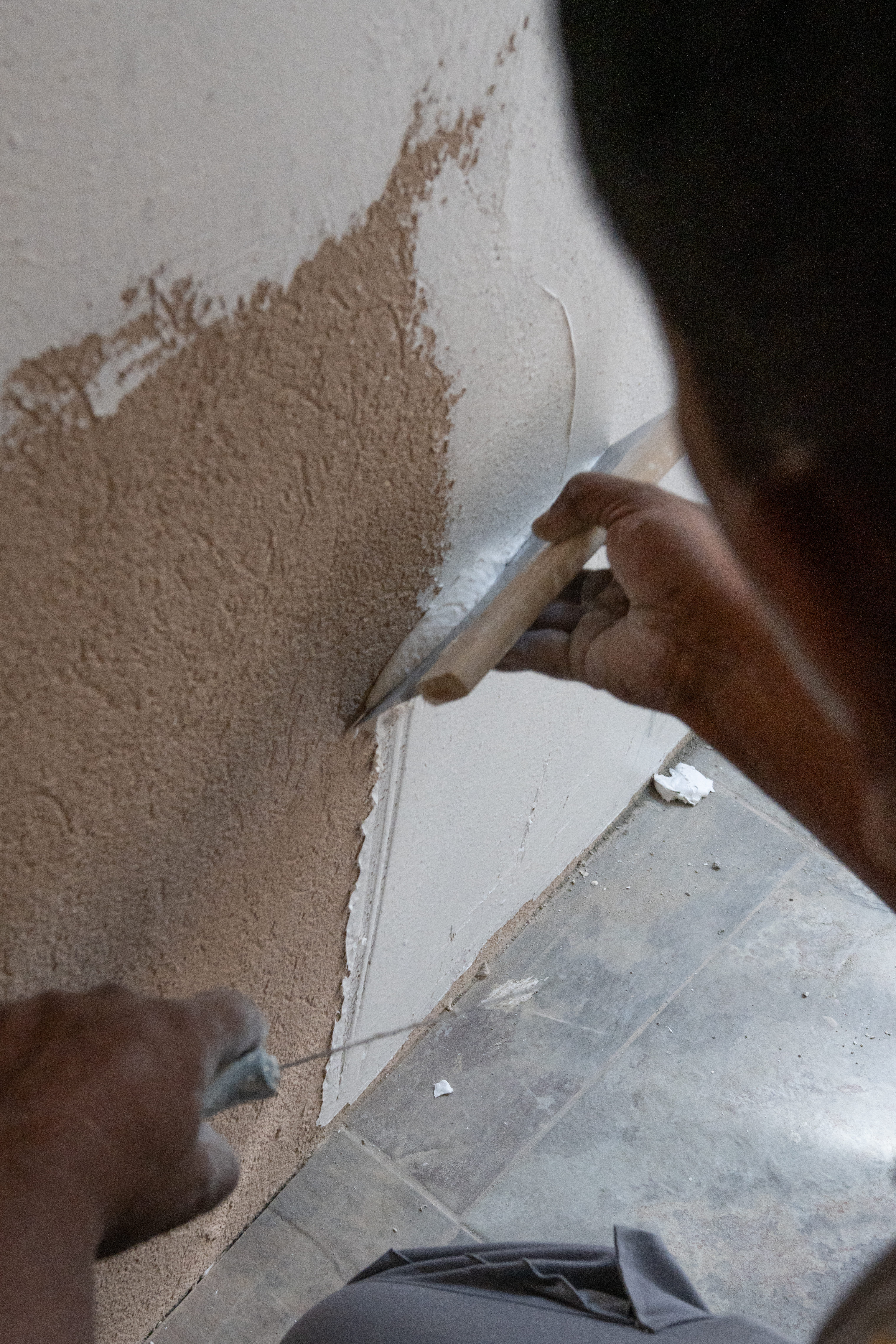
5. Paint Touch-Ups and Surface Care
Maintenance contracts often include limited:
paint touch-ups
sealant refresh
minor surface repairs
This is especially valuable for rental and commercial properties where visual presentation matters continuously.
Residential vs Commercial Maintenance: Key Differences
Residential Properties
Maintenance focuses on:
comfort and livability
AC efficiency
plumbing reliability
minimizing disruption to occupants
For villas and apartments, maintenance is often scheduled to avoid peak usage times and is tailored to how the home is actually used.
Commercial Properties
Commercial maintenance is more structured and compliance-driven. It often includes:
stricter scheduling
documentation and reporting
coordination with building management
higher usage intensity systems
Retail, office, and hospitality environments rely on maintenance to protect operations, not just comfort.
What People Commonly Get Wrong About Maintenance
Mistake 1: Treating Maintenance as an “Extra Cost”
Maintenance is often seen as optional until something breaks. In practice, it is a cost-stabilising tool. Regular maintenance reduces unpredictable expenses and downtime.
Mistake 2: Waiting for Visible Problems
By the time an issue is visible, it is rarely new. Maintenance identifies problems at a stage where intervention is simpler and less disruptive.
Mistake 3: Assuming Maintenance Covers Everything
Maintenance contracts usually cover wear and tear, not major system replacements or renovation work. Understanding boundaries prevents frustration.
Mistake 4: Using Different Vendors for Fixes
Fragmented maintenance leads to inconsistent quality and repeated fixes. A structured contract creates continuity and accountability.
How Professionals Structure Maintenance Contracts
Experienced teams do not treat maintenance as a generic checklist. They structure it based on risk and usage patterns.
Step 1: Property Assessment
Before a contract starts, systems are reviewed:
age of AC units
plumbing condition
electrical load
furniture and joinery wear
This sets realistic expectations.
Step 2: Frequency Planning
Maintenance schedules are defined by:
property type
occupancy level
seasonal demand
High-use properties require more frequent checks.
Step 3: Preventive Focus
The goal is early detection:
inefficiencies
pressure changes
alignment issues
material fatigue
Preventive work costs less than emergency response.
Step 4: Clear Scope Boundaries
Good contracts clearly state:
what is included
what is excluded
how additional works are handled
This avoids ambiguity.
Practical Dubai Scenarios
Scenario A: Owner-Occupied Apartment
Without maintenance:
AC efficiency drops gradually
small leaks go unnoticed
fixtures wear unevenly
With maintenance:
systems stay balanced
issues are corrected early
comfort remains consistent
Scenario B: Holiday Home
Without maintenance:
guest complaints increase
emergency call-outs rise
reviews suffer
With maintenance:
predictable upkeep
fewer disruptions
better guest experience
Scenario C: Commercial Office
Without maintenance:
operational interruptions
safety concerns
reputational risk
With maintenance:
continuity
compliance
controlled operating costs
Maintenance vs Renovation: Understanding the Boundary
Maintenance preserves. Renovation improves.
Maintenance:
keeps systems working as intended
slows deterioration
extends lifespan
Renovation:
changes layouts
upgrades performance
refreshes design
Both are necessary at different stages. Maintenance delays the need for renovation—but does not replace it.
What to Consider Before Choosing a Maintenance Contract
Ask these questions:
Is the scope tailored to my property type?
How often are checks performed?
Are AC, plumbing, and electrical covered clearly?
How are additional works handled?
Is there continuity in technicians?
A good contract answers these calmly and clearly.
The Long-Term View: Why Maintenance Protects Property Value
Properties do not lose value suddenly. They decline gradually when small issues accumulate.
Maintenance:
preserves finishes
stabilises systems
supports resale and rental appeal
reduces renovation shock later
In Dubai’s environment, maintenance is not a luxury—it is part of responsible ownership.
FAQs
1. Is property maintenance mandatory in Dubai?
No, but it is strongly recommended to protect systems and avoid unexpected failures.
2. Does maintenance include AC cleaning?
Yes, regular AC inspection and basic servicing are typically included.
3. Are emergency repairs covered?
Most contracts cover minor emergency response; major repairs are usually quoted separately.
4. How often should maintenance be done?
Frequency depends on property type and usage. High-use properties need more frequent checks.
5. Is maintenance different for villas and apartments?
Yes. Villas have more systems and outdoor elements that require attention.
6. Can maintenance prevent major failures?
It significantly reduces risk by identifying issues early.
7. Does maintenance replace renovation?
No. Maintenance preserves existing systems; renovation upgrades them.
In Dubai, property maintenance is not about fixing problems—it is about preventing inconvenience, protecting value, and keeping spaces functional in a demanding environment.
When approached professionally, maintenance becomes one of the most cost-effective decisions a property owner can make.
Similar Topic