I Just Bought a Property in Dubai — What Comes Next?
Tips
May 30, 2024
4 Min Read
In today’s world, a well-designed home office is essential. Whether you work from home full-time or need a quiet space for personal projects, creating a serene home office can significantly enhance your productivity and well-being. At Interim, we specialize in designing spaces that promote tranquility and efficiency. Here, we share our top tips for transforming your home office into a serene sanctuary.



There’s a very specific moment many Dubai property buyers recognise. The handover is done, you’ve got the keys, you walk through the unit… and the excitement quietly turns into a different feeling.
Not regret. More like: “Okay. Now what?”
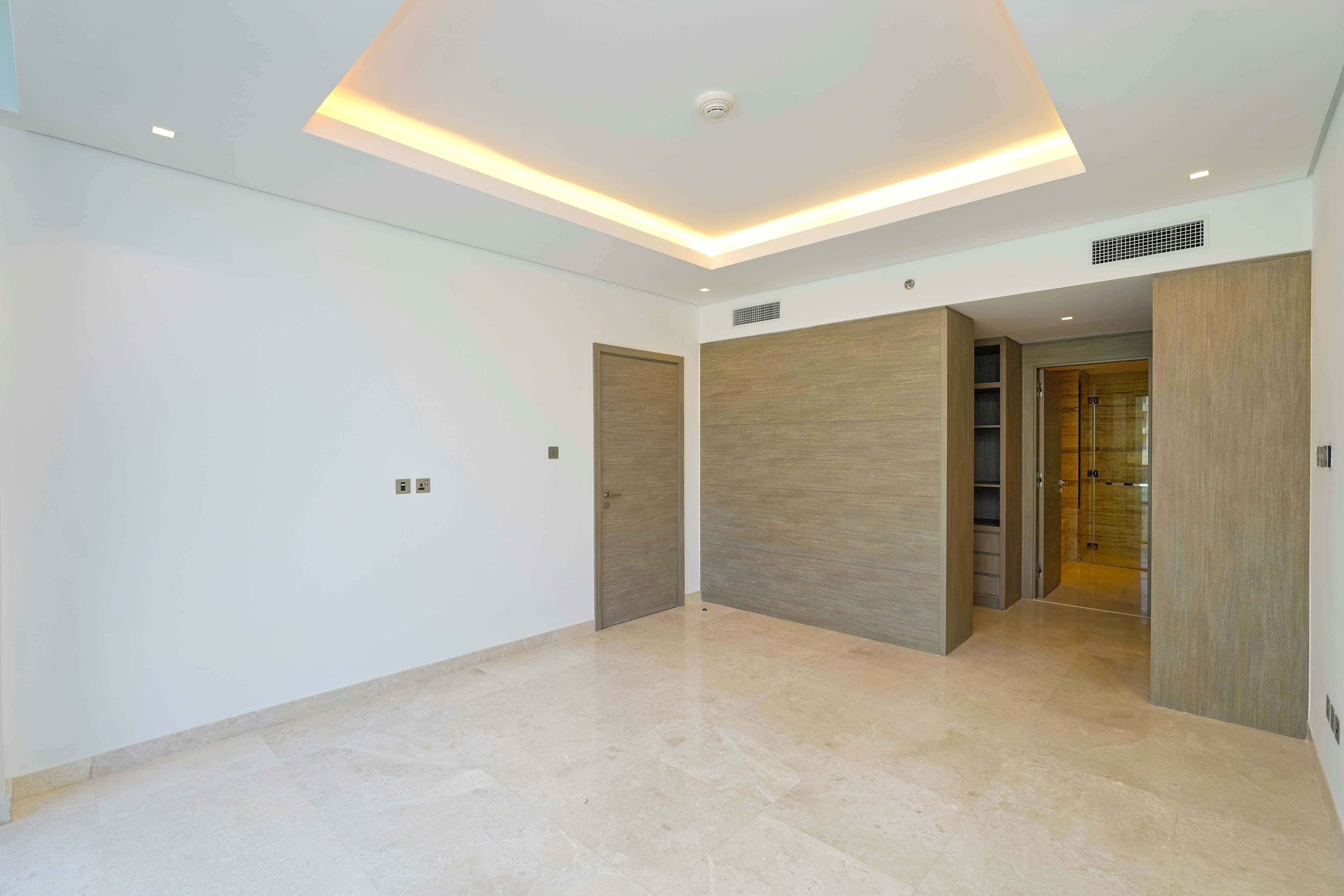
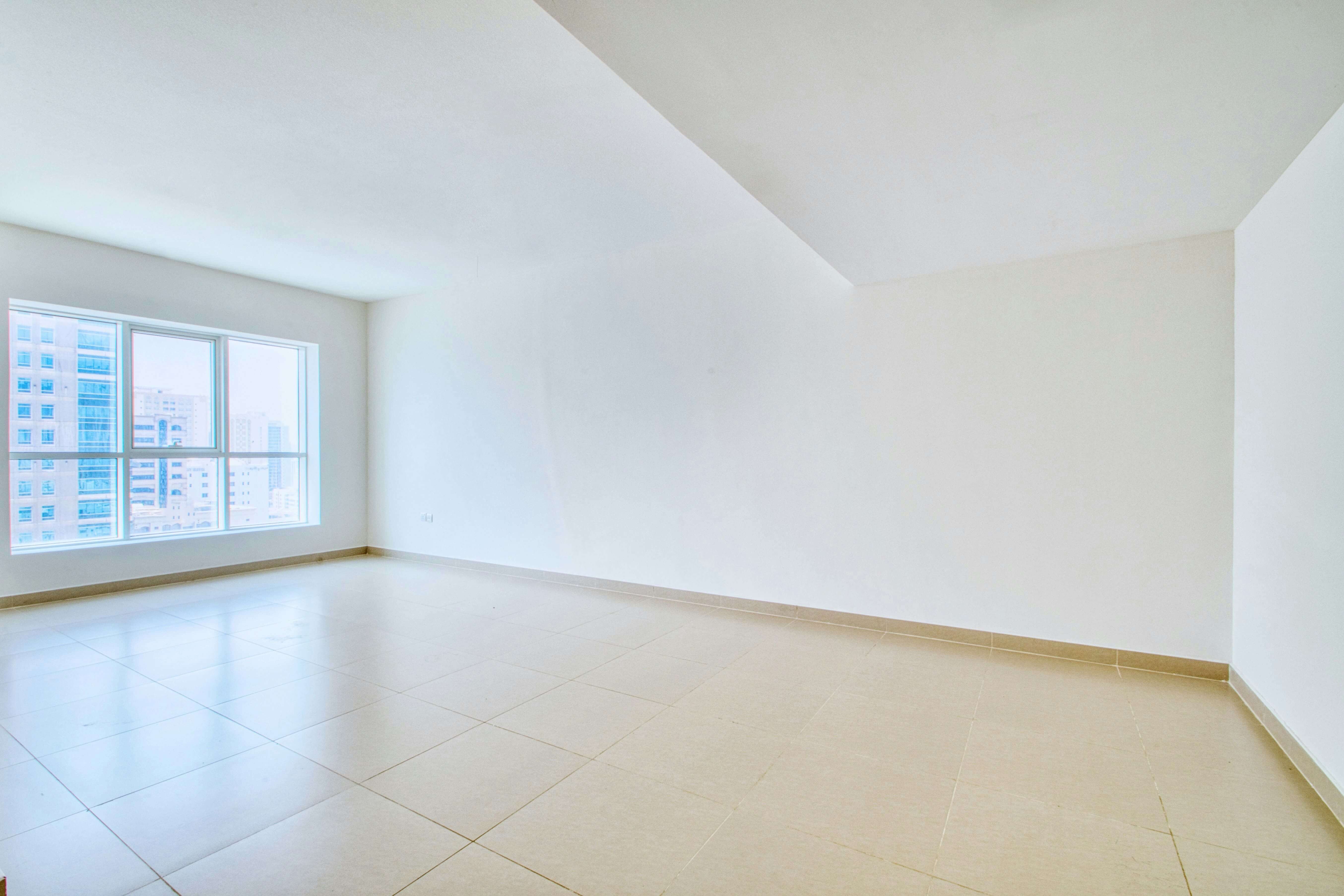
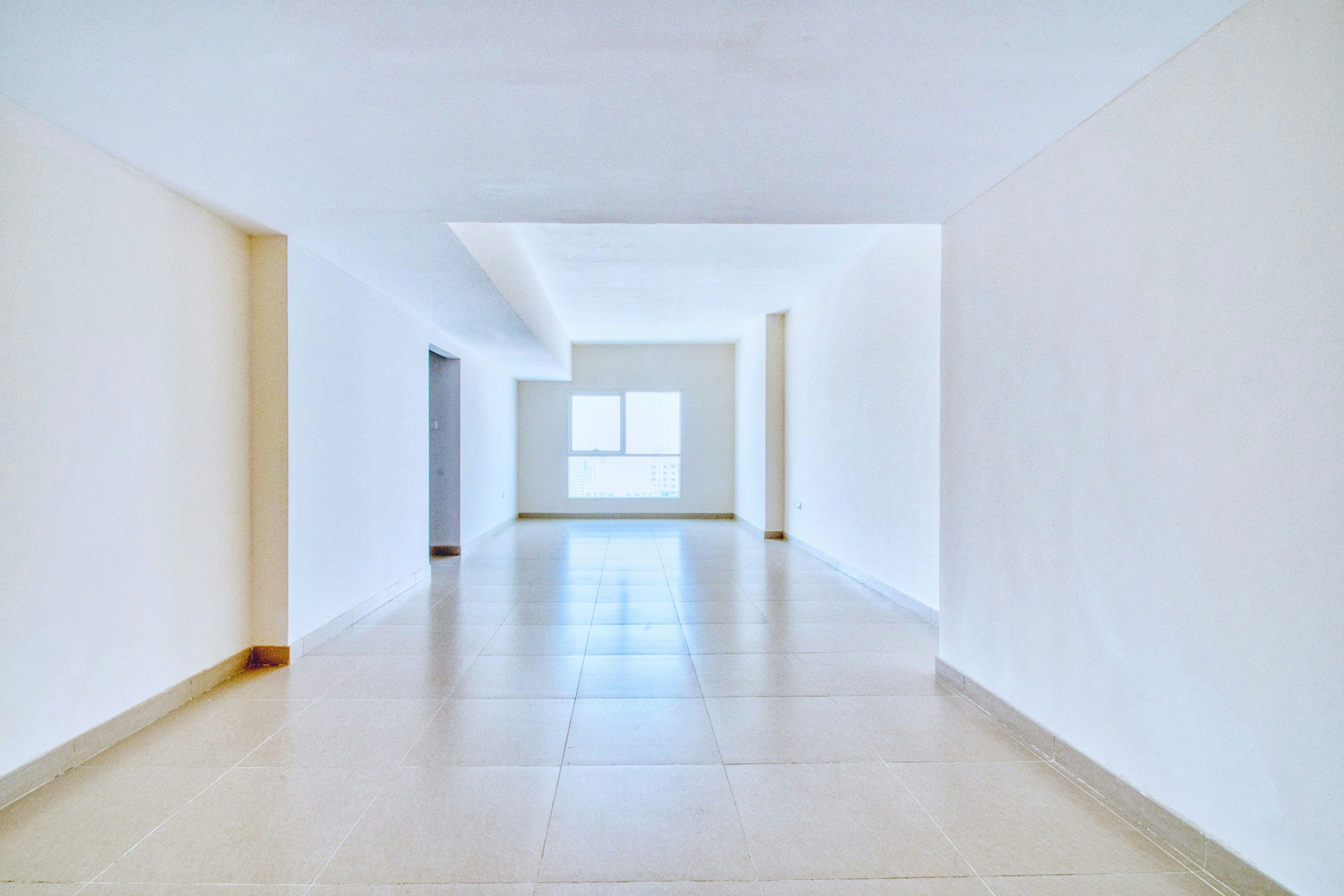
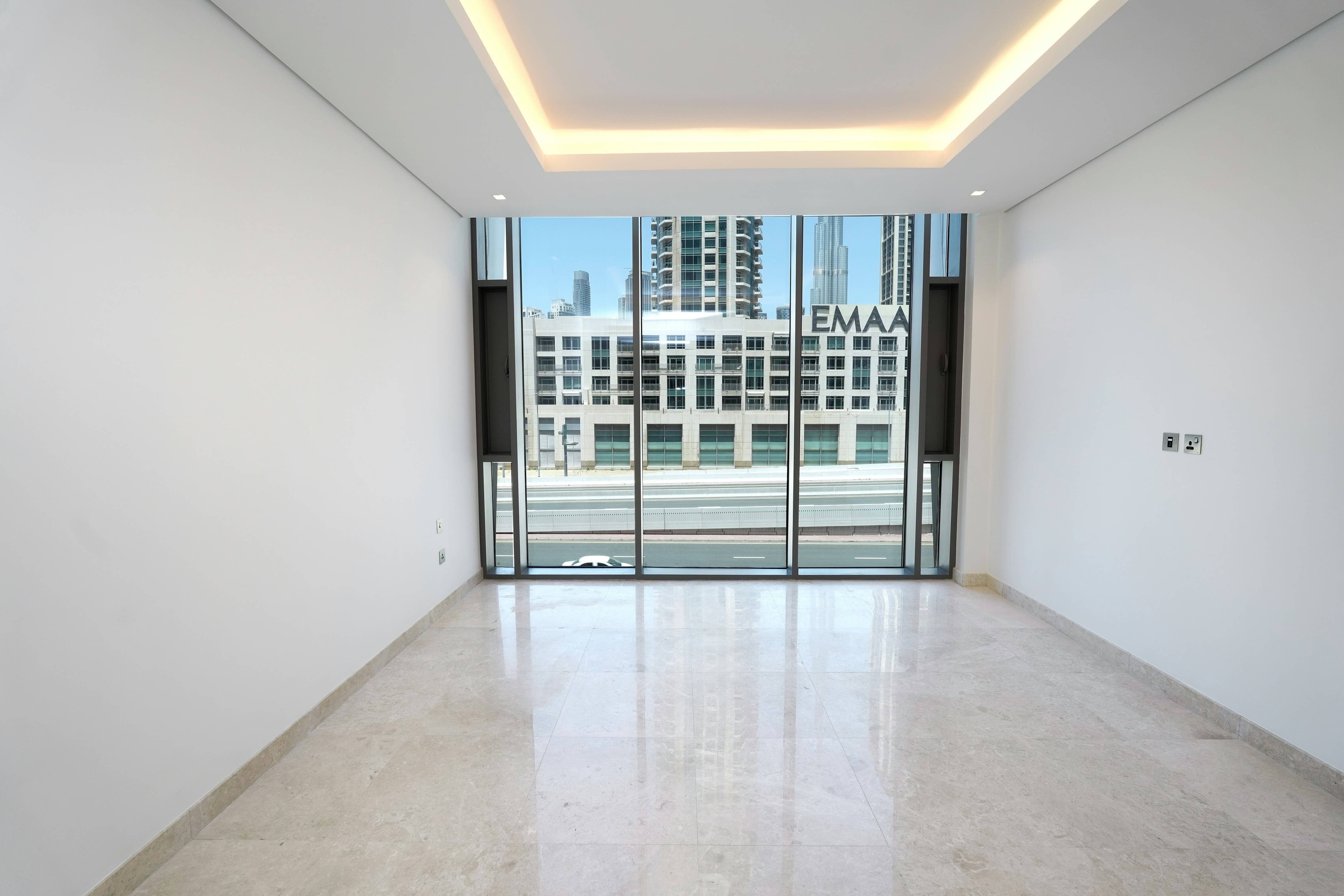
Because the property looks finished, but it doesn’t feel ready. The layout isn’t quite right for how you live. Storage is missing. The AC feels uneven. The kitchen is “standard.” The bathrooms are clean, but not comfortable. Or the place is secondary-market and you can tell it has lived a life before you arrived.
That’s normal. In Dubai, the gap between “handover-ready” and “life-ready” is bigger than many owners expect.
This guide is for that exact phase: what usually happens after you buy, what people get wrong (without realising), and how to plan the next steps with clarity—whether you’re moving in, renovating, or preparing a rental.
What “Next” Usually Looks Like in Dubai
Most owners go through a similar sequence, even if they don’t call it that:
Handover walk-through + snagging (especially for new builds)
Baseline checks (AC, plumbing, electrical points, doors, drainage)
Lifestyle vs layout reality check
Decision point: light upgrades vs full fit-out vs renovation
Approvals (if required) + scheduling
Execution + furnishing + move-in / listing
The mistake is treating these as separate chapters. In practice, they overlap—so the earlier you plan, the fewer surprises you get later.
Step 1: Start With a “Reality Check,” Not Pinterest
If you begin with mood boards, you’ll end up designing an image, not a home (or an investment asset).
A more useful starting point is simple:
Ask these three questions:
How will the property be used? (primary living, family home, holiday home, resale prep)
What must work daily? (storage, kitchen workflow, bathroom comfort, maintenance ease)
What is your tolerance for disruption and timelines? (fast upgrades vs deeper renovation)
Dubai properties often come with decent visual finishes, but daily usability can be where the friction shows up.
Practical example:
A buyer moves into a 2-bed apartment. The living room looks fine, but there’s nowhere to store cleaning supplies, luggage, or extra linens. Six months later, the apartment feels cluttered and “smaller.” The fix is not “more organising”—it’s built-in storage that should have been planned early.
Step 2: Snagging and Baseline Checks (What People Skip)
New build (handover)
If it’s a new property, snagging is your friend. It documents issues before you add upgrades on top. That includes:
uneven paint finishes, gaps, door alignment
drainage and water pressure inconsistencies
AC performance and airflow imbalances
tile finish inconsistencies or grout issues
small but important fit-and-finish details
Secondary property
With secondary units, snagging becomes more like condition assessment:
wear in kitchen hinges, cabinetry, seals
plumbing fixtures with slow leaks or loose fittings
AC units due for cleaning or performance checks
bathrooms that look okay but have hidden maintenance issues
None of this needs drama. It’s routine. It’s also where smart owners save money: by fixing root causes early rather than paying repeatedly for “small issues” later.
Step 3: Renovation vs Fit-Out (The Decision That Shapes Everything)
Dubai owners often use “renovation” as a catch-all word. But there’s a meaningful difference:
Fit-out (typical scope)
upgrades to finishes and interiors without major structural changes
built-in storage / joinery
lighting and ceiling detail upgrades (where permitted)
custom kitchen fronts, wardrobes, furniture, styling
Renovation (typical scope)
deeper changes to layouts, plumbing rerouting, major replacements
bathrooms and kitchens rebuilt beyond surface upgrades
potentially more approvals and a longer timeline
What people get wrong:
They choose a renovation level based on desire, not on scope reality. Then midway through, the project turns into an unplanned renovation anyway.
Professional approach:
Define your scope in layers:
Layer 1: Must fix (function/safety/maintenance)
Layer 2: Must improve (layout/storage/comfort)
Layer 3: Nice to have (aesthetic upgrades)
This keeps you in control.
Step 4: The Dubai-Specific Factor People Underestimate — Approvals
Dubai is structured. Different communities and developers have different rules. Some upgrades are straightforward. Others require approvals and coordination.
This isn’t “good” or “bad”—it’s just the operating environment. The smart move is to plan for it early.
A practical way to think about it:
Cosmetic upgrades often move faster
MEP changes, certain structural adjustments, major reworks may require approvals and technical submissions
Commercial and hospitality spaces have stricter coordination requirements
What people get wrong:
They assume approvals are a quick checkbox, plan contractor start dates too tightly, then feel “delayed.”
Professional approach:
Build approvals into the schedule from day one and keep your scope clear so you’re not submitting revised packages repeatedly.
Step 5: How Professionals Plan the First 30 Days After Purchase
Here’s a realistic, calm framework that works in Dubai:
Week 1: Inspection + direction
site walk-through with a practical checklist
decide usage (live vs rent vs resale)
identify must-fix items and easy wins
Week 2: Scope + budget structure
define the 3 layers (must fix / must improve / nice to have)
align on materials that make sense in Dubai (durability + maintenance)
decide whether custom joinery/furniture is needed
Week 3: Technical planning + scheduling
measurement, layouts, selection logic
plan lead times for bespoke items
confirm any approval requirements
Week 4: Execution start
begin works in a controlled sequence
keep quality checks aligned with the scope
It’s not glamorous, but it prevents the most expensive pattern in renovation: decisions made under pressure.
Practical Examples (Dubai Scenarios)
Scenario A: Apartment for living (owner-occupied)
Common pain: It looks fine, but feels temporary.
Fix that works: built-in storage + lighting improvements + kitchen usability upgrades + bathroom refresh.
Outcome: the property starts functioning like a home rather than a showroom.
Scenario B: Holiday home / short-term rental
Common pain: similar listings everywhere; low differentiation.
Fix that works: strong design identity, durable finishes, custom furniture sized to the space, and a bathroom upgrade that feels “hotel-level.”
Outcome: higher conversion and better reviews.
Scenario C: Villa purchase (family)
Common pain: layout doesn’t support daily life; outdoor is underused.
Fix that works: kitchen + living zoning, home working area, storage, child-friendly finishes, landscaping that becomes a functional extension.
Outcome: comfort plus long-term value.
What to Consider Before You Decide on a Contractor
People usually ask, “Who is a good contractor?”
A better question is: “What kind of project management do I need?”
Look for:
clear scope definition (not vague promises)
realistic timelines
transparent process and sequencing
evidence of similar projects in Dubai
comfort with approvals and coordination where relevant
Avoid overly dramatic language or unrealistic speed claims. A calm, structured approach tends to be the most reliable in practice.
Quick Checklist: If You Want a Smooth Outcome
Confirm usage: live, rent, or resale
Do snagging / condition checks first
Decide scope layers (must fix / must improve / nice)
Plan approvals early if scope requires it
Choose materials with maintenance in mind
Prioritise storage and layout before décor
Keep the sequence logical: technical → finishes → furniture → styling
FAQ
1) Do I need renovation right after buying in Dubai?
Not always. Many owners benefit from a fit-out approach: storage, lighting, kitchen usability, and selective upgrades. The right decision depends on property condition and intended use.
2) What is snagging and when should I do it?
Snagging is documenting defects or issues after handover (especially new builds). It’s best done before you start upgrades so responsibility stays clear and rework is avoided.
3) Do all upgrades require approvals?
Not all. Smaller cosmetic works often move faster. More technical changes may require submissions depending on the building/community rules and project scope.
4) What upgrades add the most value early?
Storage, kitchen usability, bathrooms, lighting quality, and durable finishes typically change the lived experience the most—often more than purely decorative choices.
5) How long does it usually take to prepare a property for move-in?
Timelines vary by scope. Light fit-outs can be faster; deeper renovations take longer. A clear scope and early planning reduce uncertainty.
6) Is it better to furnish first or renovate first?
Renovation/fit-out first. Furniture and styling should follow layout decisions; otherwise you’re designing around items instead of designing the space.
7) What’s the biggest mistake new owners make?
Starting with aesthetics before function—then discovering usability gaps (storage, flow, maintenance) after move-in.
Similar Topic