Holiday Home Renovation in Dubai — How to Increase Rental Income Without Overbuilding
Tips
May 23, 2025
4 Min Read
If you’ve ever scrolled through short-term rental listings in Dubai, you’ve seen the pattern: same layouts, similar furniture, identical “neutral” interiors. The photos blur together, and so do the prices.
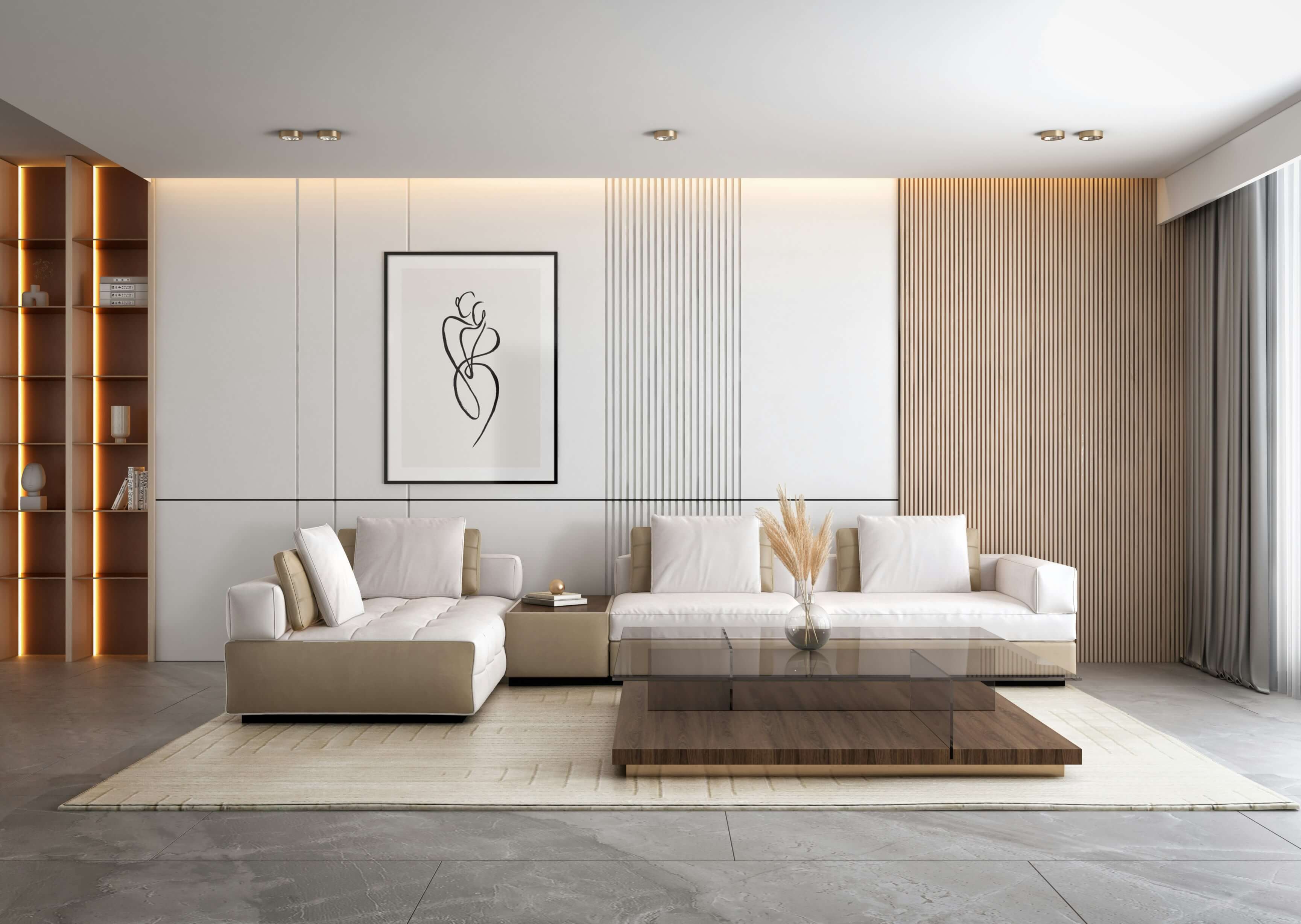
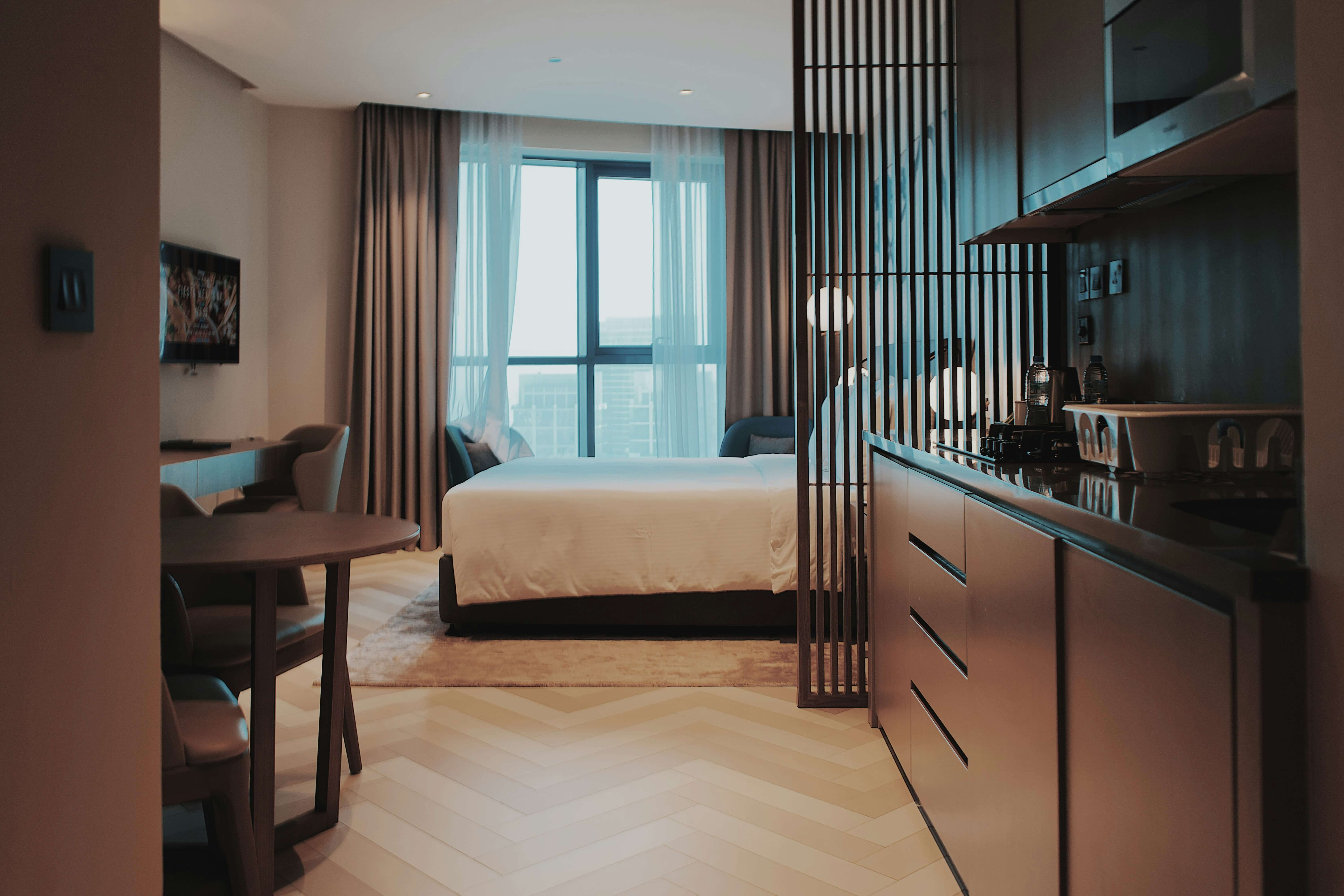
Owners usually notice it the moment bookings slow down, reviews soften, or the property sits empty while similar units stay occupied. The question becomes simple: how do you make your listing stand out without spending money in the wrong places?
Holiday home renovation in Dubai is not about luxury for the sake of luxury. It’s about guest experience, durability, and clarity—design choices that translate into:
better photos
higher conversion
fewer complaints
stronger reviews
and more repeatable occupancy
This guide breaks down what works in practice, what owners often get wrong, and how professionals approach upgrades for short-term rental performance.
How Holiday Homes Usually Work in Dubai (The Reality)
Dubai short-term rentals are highly visual. Guests make decisions fast. They care about:
perceived cleanliness and newness
comfort and functionality
how the space looks in photos
bathroom and bedding quality
easy living: storage, lighting, charging points, kitchen basics
At the same time, holiday homes experience more wear than private homes. Furniture is used harder. Maintenance requests happen more frequently. Small details become operational issues quickly.
A renovation that ignores durability can look beautiful for three months—and then become a constant repair cycle.
What People Commonly Get Wrong
Mistake 1: Spending on the wrong “luxury”
Some owners invest heavily in expensive decorative pieces while leaving core friction points untouched: poor lighting, awkward storage, outdated bathrooms, or a kitchen that looks tired.
Guests rarely reward “decor value” if the basics feel inconvenient.
Mistake 2: Copying hotel aesthetics without hotel systems
Hotels work because they have daily housekeeping and maintenance operations. A holiday home doesn’t always. If you choose delicate finishes that demand constant attention, the property ages fast.
Mistake 3: Underestimating bathrooms
Bathrooms drive reviews more than many owners expect. A dated bathroom reads as “old property,” even if the living room is styled nicely.
Mistake 4: Furnishing without planning
Buying furniture first often leads to cluttered rooms, poor walking flow, and mismatched scale—especially in Dubai apartments where layouts are efficient but tight.
How Professionals Approach Holiday Home Renovation (A Better Model)
A professional holiday home upgrade works backwards from performance:
Guest decision (photos + first impression)
Guest comfort (sleep, bathroom, living usability)
Operational durability (maintenance frequency, wear resistance)
Market positioning (identity vs generic neutral)
This keeps spending focused on what affects:
occupancy
nightly rate
reviews
and long-term maintenance cost
The Upgrades That Usually Move the Needle Most
1) Lighting that makes the space look “new”
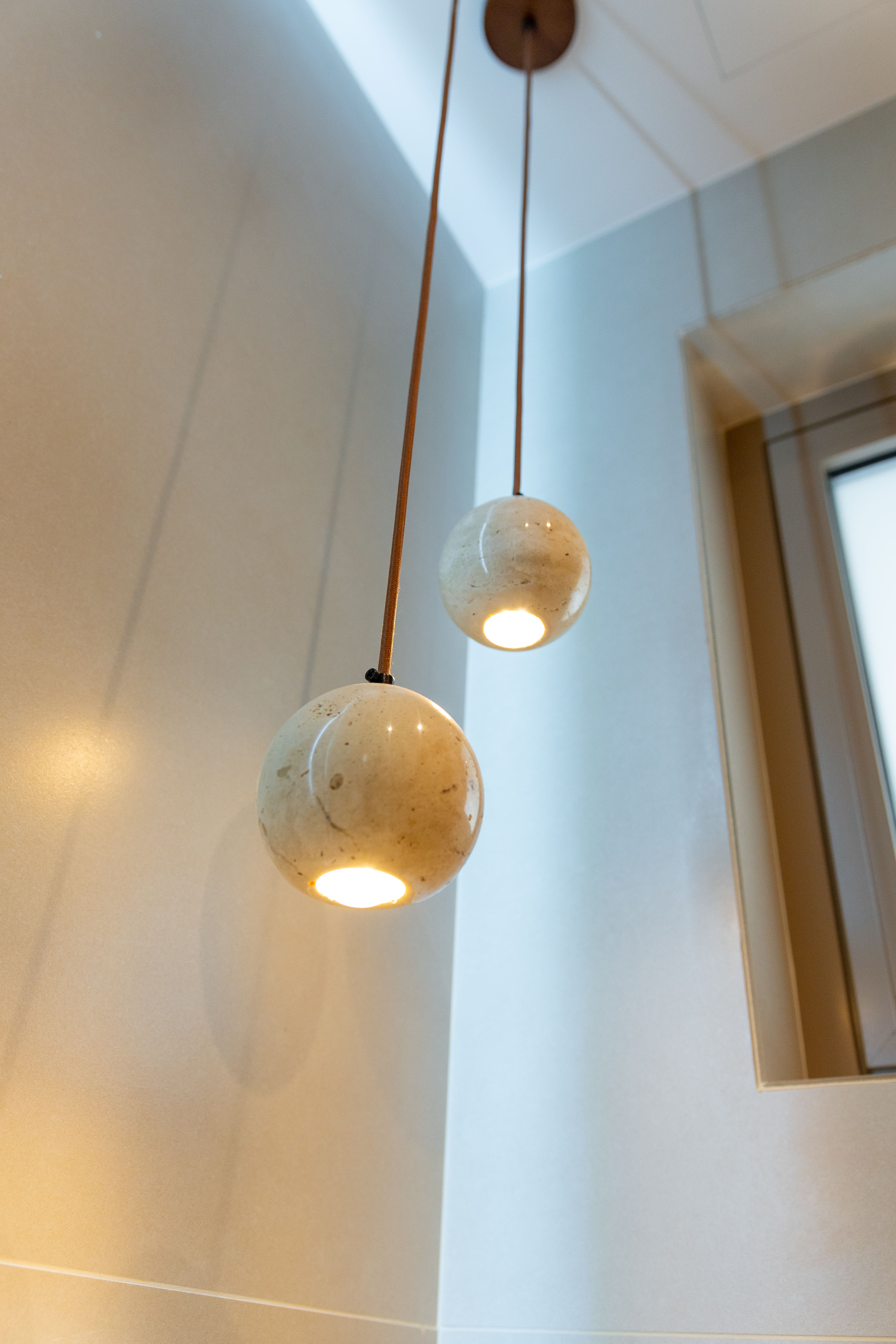
Dubai apartments often have functional lighting but not flattering lighting. Better layering (ambient + task + accent) improves photos and real experience.
Practical example:
Two identical 2-bed units. One has clean, warm, layered lighting and a refined palette. The other has a single harsh ceiling light and mismatched bulbs. The first wins bookings, even if finishes are similar.
2) Bathroom refresh with a “hotel feel”
This doesn’t always mean full reconstruction. It means:
clean, durable tile and grout strategy
better fixtures where visible
good mirrors and lighting
improved shower experience
a layout that feels considered
3) Kitchen upgrades that photograph well and live well
Guests may not cook elaborate meals, but they notice:
countertop condition
cabinet quality
cleanliness and newness
practical storage and basic usability
Marble-effect materials (done well) can create a premium look with better durability than delicate natural stone, depending on selection.
4) Storage and built-ins that reduce clutter
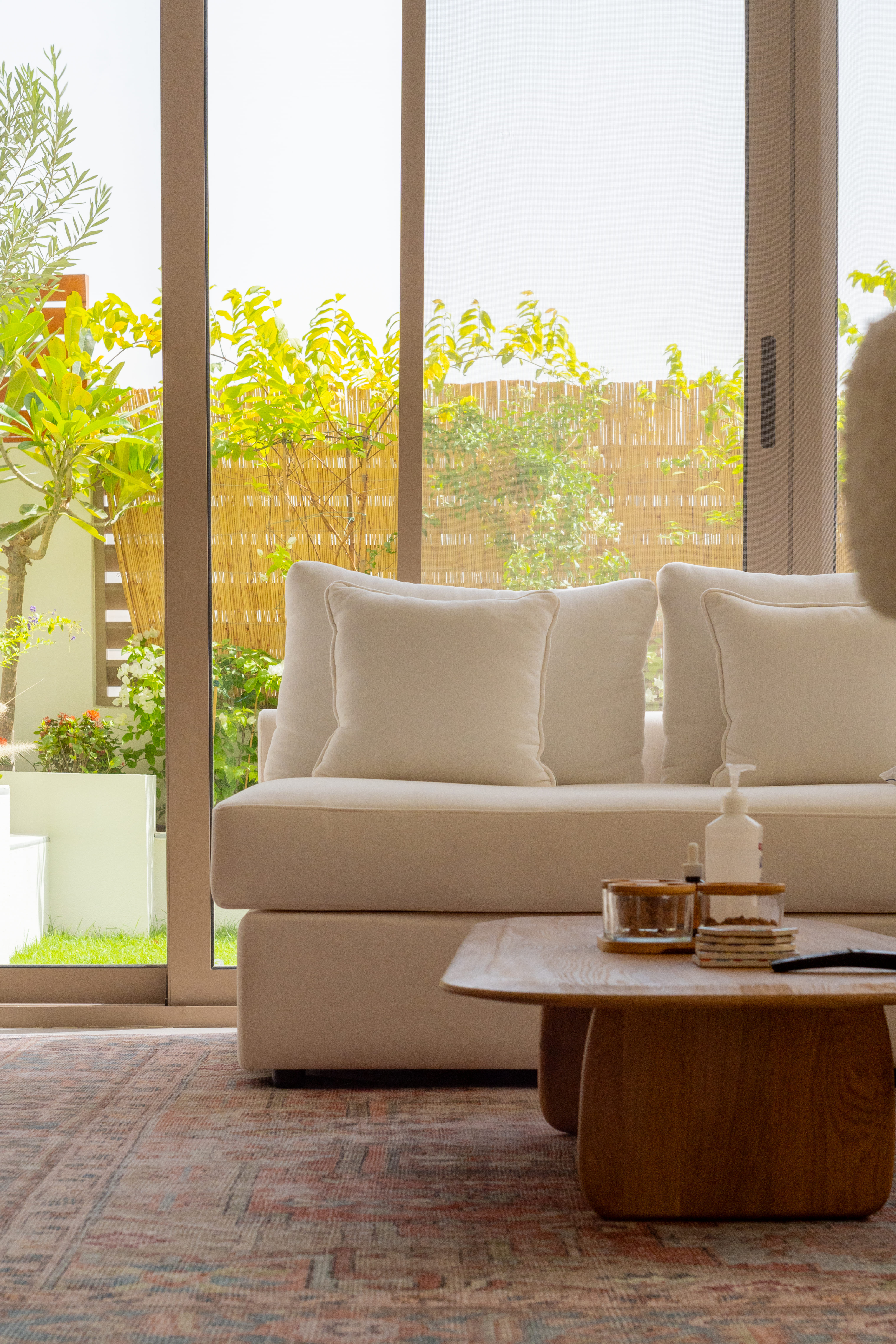
Holiday homes become messy quickly without storage. Built-ins and wardrobes help the space stay “photography-ready.”
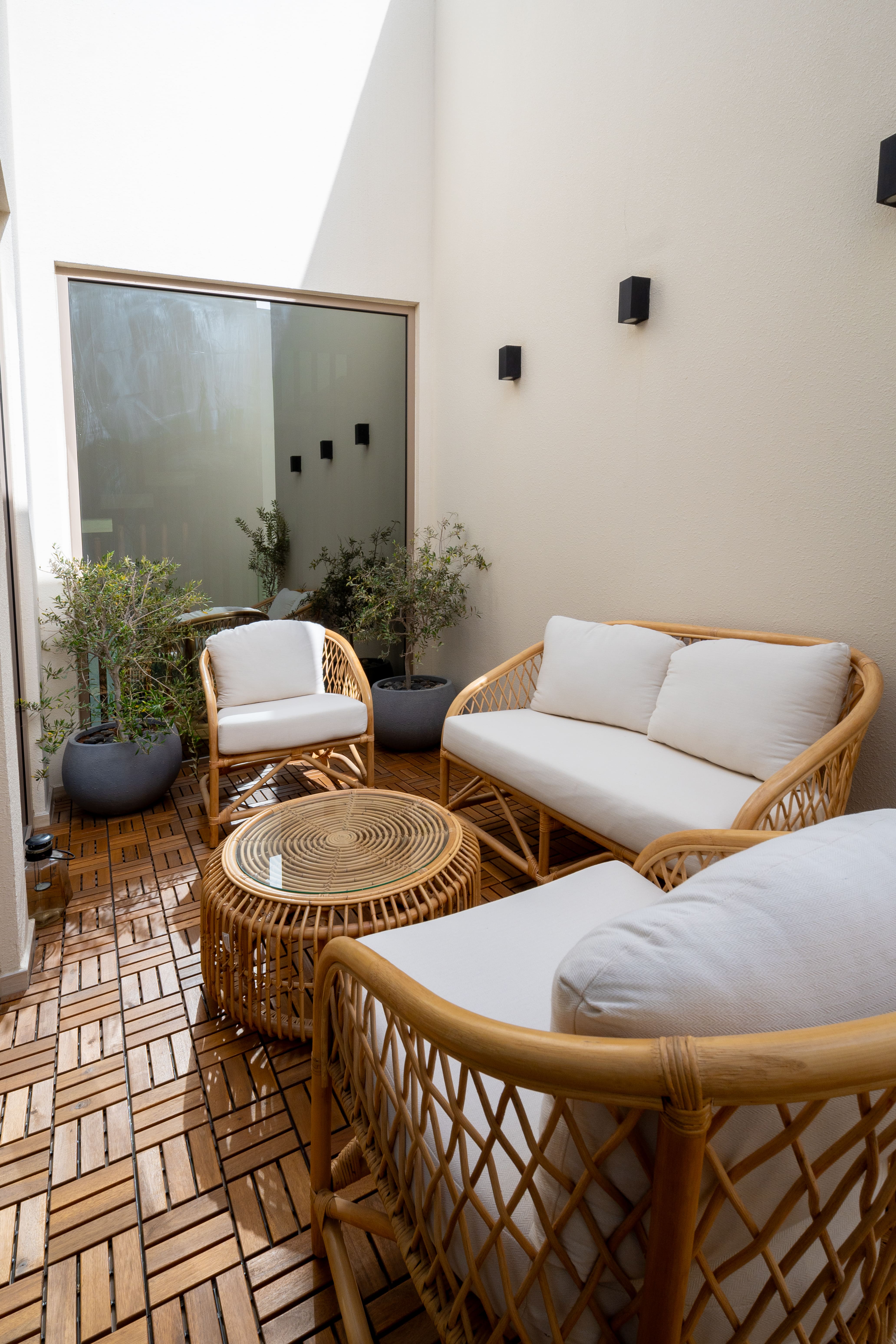
5) Furniture scaled for short-term rental use
This is where custom furniture matters:
correct dimensions for the layout
durable upholstery
balanced visual weight
beds and seating that feel “solid,” not temporary
A Practical Renovation Framework (That Doesn’t Waste Budget)
Step 1: Define your property’s market position
Ask:
Is this a family holiday home? business traveller base? luxury weekend stay?
What is the one feeling you want in photos?
Pick one. Don’t try to satisfy everyone.
Step 2: Fix friction points before aesthetics
AC performance
plumbing stability
door/handle alignment
drainage and water pressure
These reduce complaints and emergency calls.
Step 3: Upgrade what guests judge fastest
bathrooms
beds
lighting
kitchen surfaces
visible finishes
Step 4: Build durability into choices
Choose materials and details that survive:
frequent cleaning
repeated use
quick turnovers
Step 5: Plan for maintenance
A maintenance plan is not “extra.” It protects the renovation.
What to Consider Before Deciding Your Scope
If the unit is in a highly competitive area (Downtown, Marina), differentiation matters more.
If the building is older, plumbing and AC checks become more important early.
If you want higher rates, don’t upgrade randomly—upgrade in a coherent identity.
Holiday home renovation is most profitable when it’s strategic, not just “nice.”
FAQ
1) Do holiday home renovations really increase income in Dubai?
They can, when upgrades improve guest perception, comfort, and listing differentiation. Random upgrades may not move performance.
2) What’s the best first upgrade for a holiday home?
Bathrooms and lighting are usually the strongest initial ROI because they affect reviews and photos immediately.
3) Should I use delicate luxury finishes?
Only if you can maintain them. Durable premium materials often outperform delicate ones operationally.
4) Is custom furniture worth it?
In tight layouts, yes. Correct sizing and durability reduce clutter and improve guest experience.
5) How do I avoid overbuilding?
Work from performance goals (occupancy, rate, reviews) and prioritise guest-impact upgrades rather than decorative spending.
6) Do I need approvals for holiday home renovations?
Depends on scope and building/community rules. Cosmetic changes are often simpler; technical changes may require coordination.
7) How do I keep the property looking “new” long-term?
Durable finishes + good lighting + a maintenance plan. Wear happens; the goal is controlling how it shows.
Similar Topic