Kitchens in Dubai: Why They Almost Never Suit Real Life (and Why Most Owners End Up Redoing Them)
Guide
Sep 12, 2025
4 Min Read
There is a pattern that repeats itself across Dubai properties—new developments, resale apartments, villas, even high-end projects. People move in. The kitchen looks fine. Clean. Modern enough. Then, within weeks or months, frustration begins to surface. Not because the kitchen is “bad.” But because it doesn’t support how people actually live in Dubai.
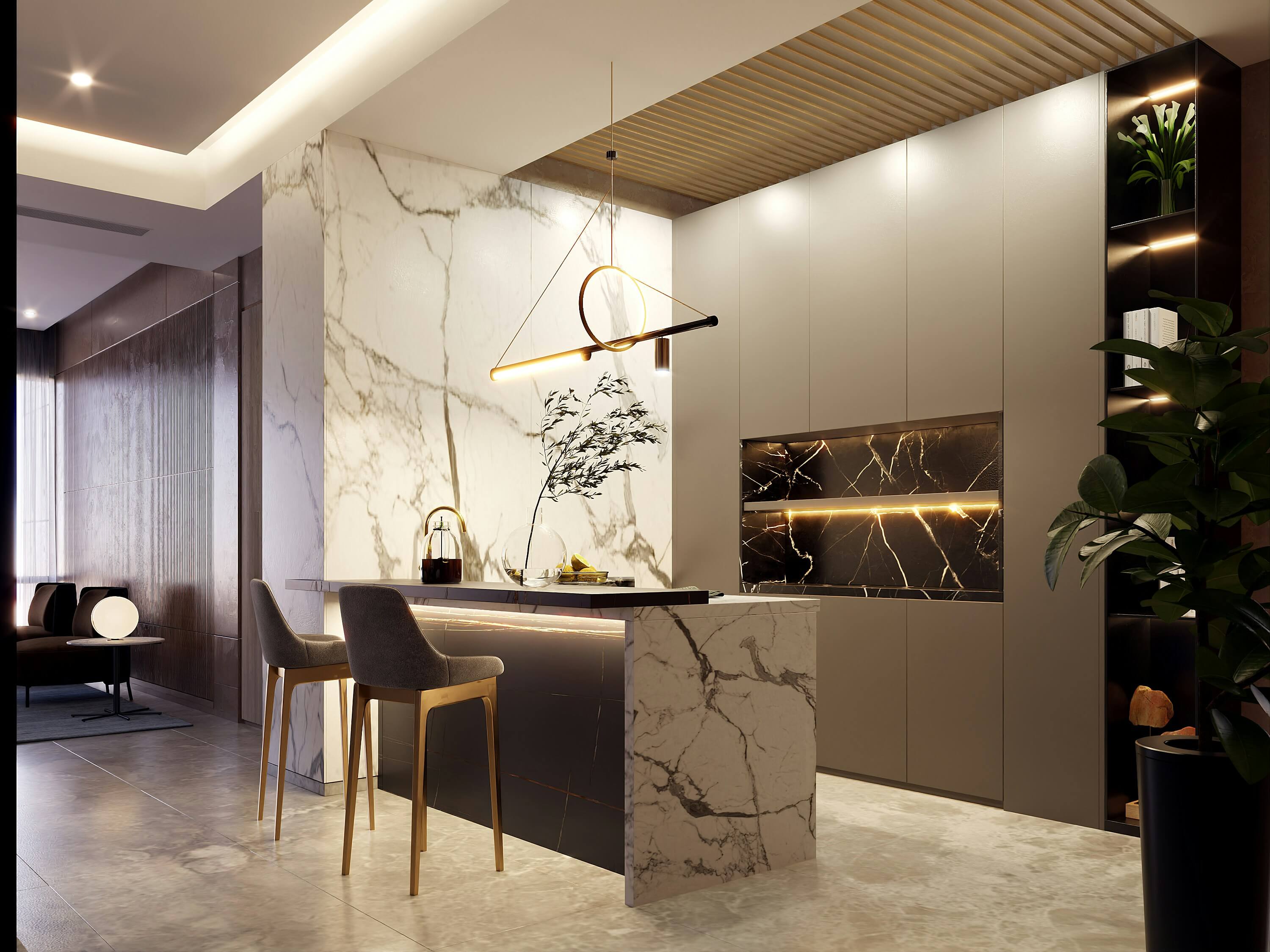
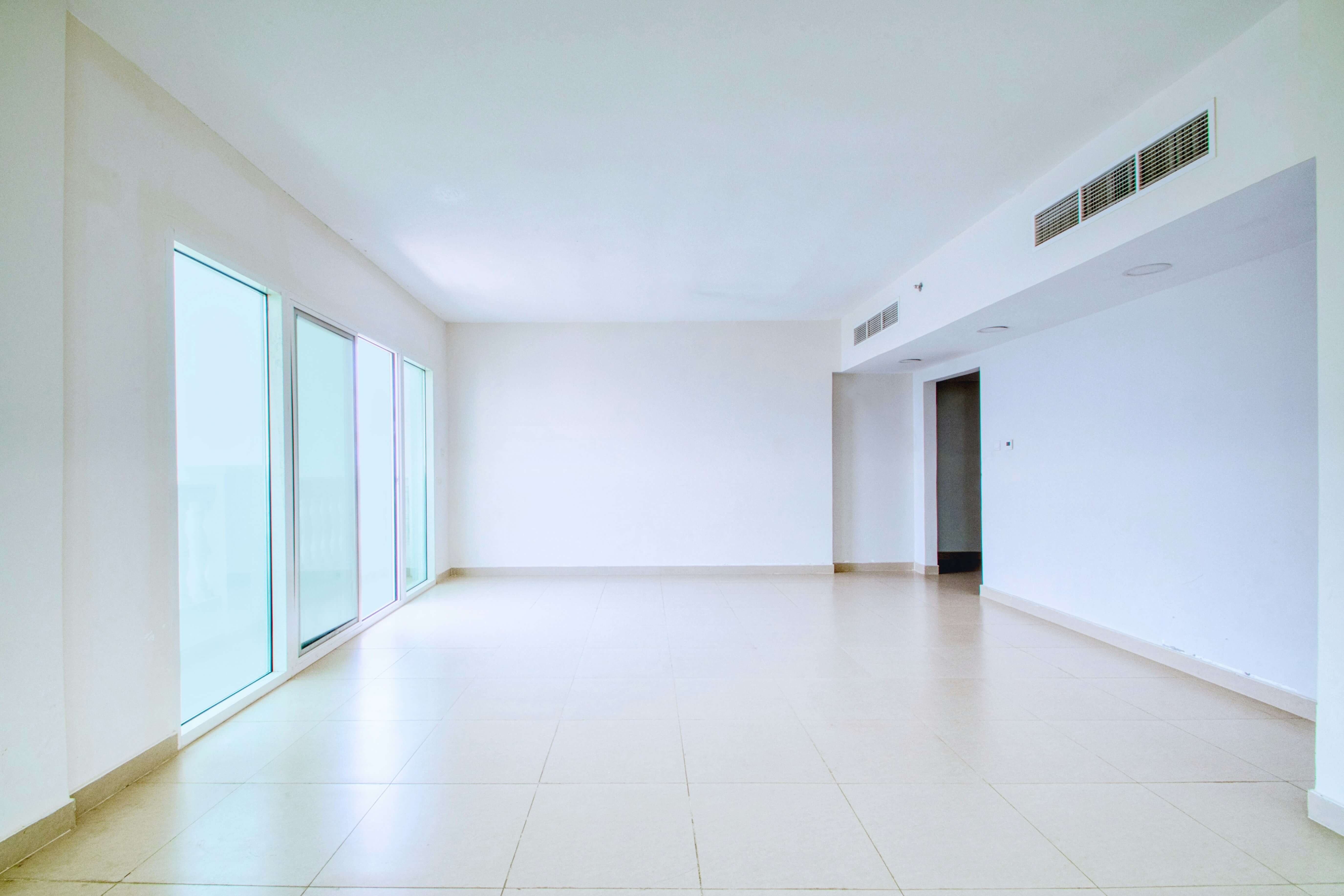
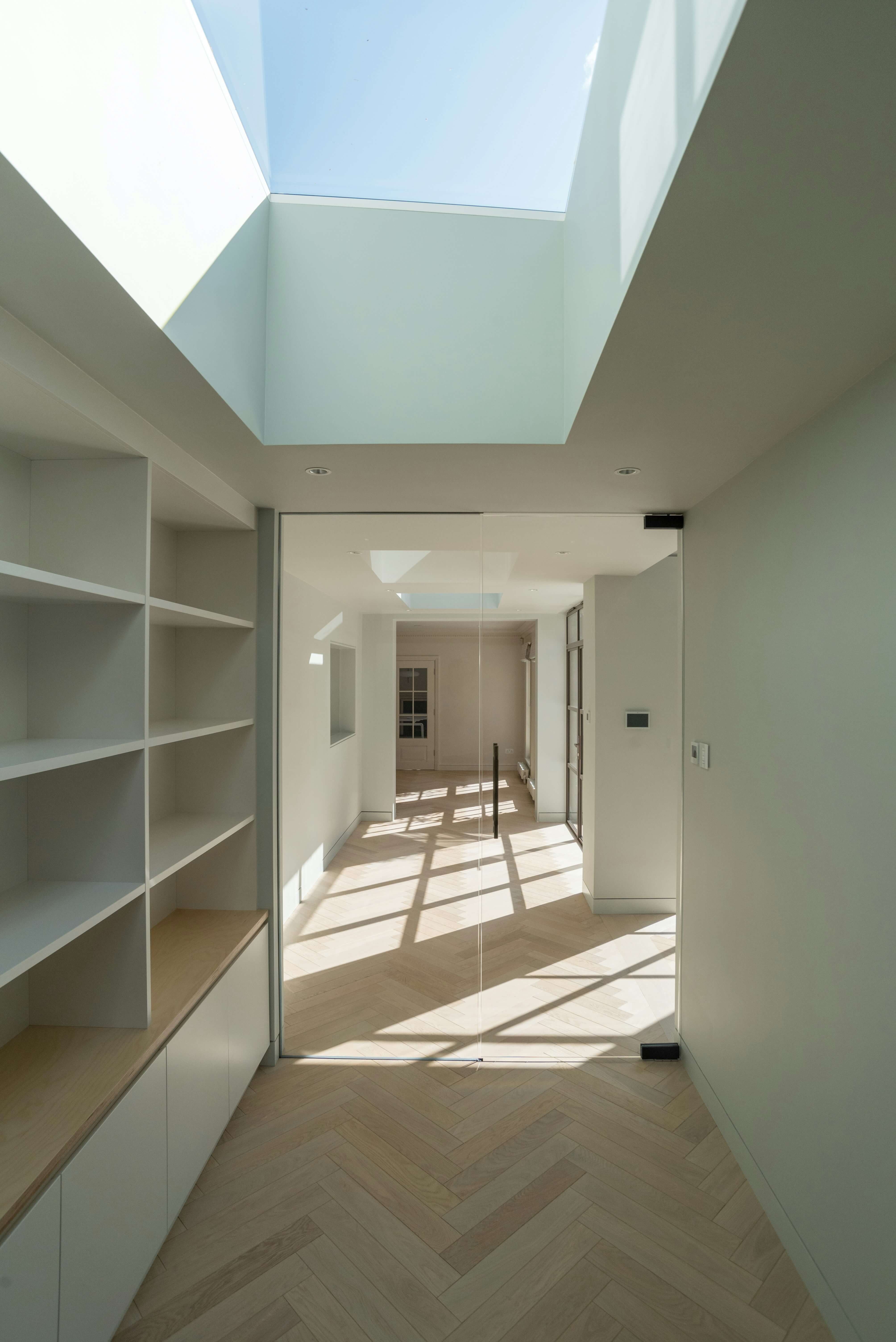
Storage fills up instantly. The open kitchen dominates the living space in ways no one anticipated. Colours that looked neutral now feel heavy or cold. Appliances are placed where they technically fit, not where they work. And because the kitchen is almost always open, every compromise becomes visible everywhere.
This is why kitchens are one of the most frequently redone spaces in Dubai—often sooner than any other part of the home.
This article explains why that happens, what developers optimise for (and what they don’t), how professionals approach kitchen renovation in Dubai, and how to avoid costly mistakes that lead to redoing the kitchen again in a few years.
How Kitchens Are Typically Delivered in Dubai (The Context)
Most kitchens in Dubai are designed under similar constraints:
they must appeal to the widest possible buyer pool
they must fit within cost-controlled developer packages
they must be easy to maintain at building scale
they must photograph well for listings
As a result, developer kitchens are usually:
visually neutral
functionally minimal
storage-light
appliance-standardised
They are handover-ready, not lifestyle-ready.
This is not a flaw—it’s a commercial reality. But it explains why owners almost always intervene later.
Why Kitchens Feel “Wrong” After Move-In
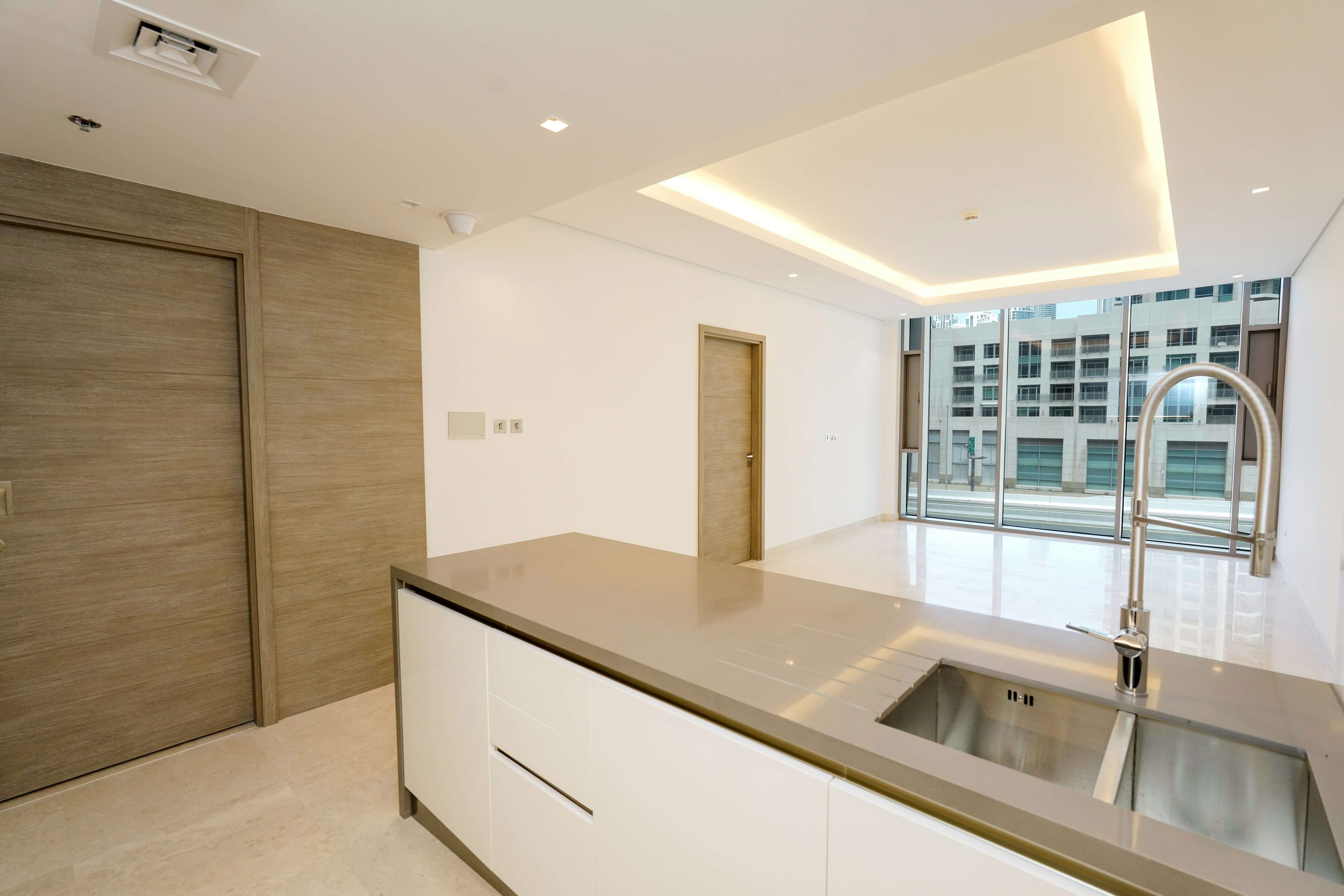
1. Dubai Kitchens Are Usually Open — and That Changes Everything
In Dubai, kitchens are very often:
open-plan
semi-open
visually exposed to living and dining zones
This means the kitchen is not a “working room.”
It is part of the interior language of the entire home.
When the kitchen:
doesn’t blend with the living area
uses a different colour logic
feels too glossy, too dark, too cold, or too busy
…it disrupts the entire atmosphere of the space.
What people don’t realise at purchase:
A kitchen finish that looks fine in isolation can visually dominate the apartment once furniture, lighting, and daily life are added.
2. Storage Is Almost Always Underestimated
Dubai lifestyles require more kitchen storage than standard layouts provide:
bulk grocery shopping
appliances used occasionally but stored permanently
large cookware
pantry items
cleaning supplies
Most developer kitchens are designed for:
basic daily cooking
minimal accessory storage
Not for:
families
entertaining
long-term living
hybrid cooking styles common in multicultural households
The result: countertops fill up, cabinets overflow, and the kitchen begins to look cluttered—especially visible in open layouts.
3. Appliance Placement Is Often Theoretical, Not Practical
Appliances are usually placed where:
they fit on drawings
they are easy to install
they align with standard cabinet modules
Not where:
workflow makes sense
multiple people cook
doors don’t clash
ventilation works optimally
This leads to daily friction that is hard to articulate but easy to feel.
4. Colours and Finishes Age Faster Than Expected
Many kitchens rely on:
very glossy finishes
strong contrast palettes
trendy tones that photograph well
In Dubai light conditions, these choices can:
show fingerprints constantly
reflect light harshly
feel cold or overwhelming over time
Because the kitchen is always visible, finish fatigue sets in faster than in closed rooms.
What People Commonly Get Wrong When Renovating a Kitchen
Mistake 1: Treating the Kitchen as a Standalone Project
In open-plan homes, the kitchen is part of the living room visually. Renovating it without considering adjacent furniture, flooring, lighting, and wall finishes often creates imbalance.
Professional rule:
You design the kitchen with the living space, not inside it.
Mistake 2: Choosing Materials Based on Showroom Appeal
Some materials look impressive under showroom lights but perform poorly under daily use:
high-gloss laminates
delicate veneers
low-quality hardware with high margins
These often require replacement within a few years.
Mistake 3: Falling for “Luxury” That Is Actually Margin-Driven
In Dubai, certain kitchen components are heavily pushed because they offer high margins—not because they are durable.
Without experienced guidance, clients may pay premium prices for:
average board quality
weak internal cabinet construction
hardware that loses alignment quickly
This leads to frustration and early replacement.
Mistake 4: Ignoring Warranty and Aftercare
A kitchen is not a decorative item. It is a mechanical system:
hinges
drawers
runners
surfaces
appliances
Without proper warranty and aftercare, even a well-designed kitchen deteriorates quickly.
How Professionals Approach Kitchen Renovation in Dubai
Step 1: Lifestyle Mapping (Before Design)
Professionals start by understanding:
how often you cook
how many people cook at once
whether the kitchen is social or functional
storage habits
hosting frequency
cultural cooking needs
This determines layout, not aesthetics.
Step 2: Workflow and Zoning
A functional kitchen respects:
preparation zones
cooking zones
cleaning zones
storage zones
Poor zoning leads to congestion, even in large kitchens.
Step 3: Storage Designed From Inside Out
Professionals design storage by:
item type
usage frequency
accessibility
Not by cabinet symmetry.
Internal layouts matter more than external looks.
Step 4: Material Selection for Dubai Conditions
Material decisions consider:
humidity
heat
cleaning frequency
light reflection
Durability and maintenance always outweigh novelty.
Step 5: Visual Integration With the Interior
Especially in open kitchens:
colour palette must align with living areas
finishes should age gracefully
visual noise must be controlled
Often, calmer kitchens feel more “luxury” over time than bold ones.
New Build vs Resale Kitchens: Different Problems, Same Outcome
New Build Kitchens
Usually require:
storage expansion
finish adjustment
appliance upgrades
lighting improvements
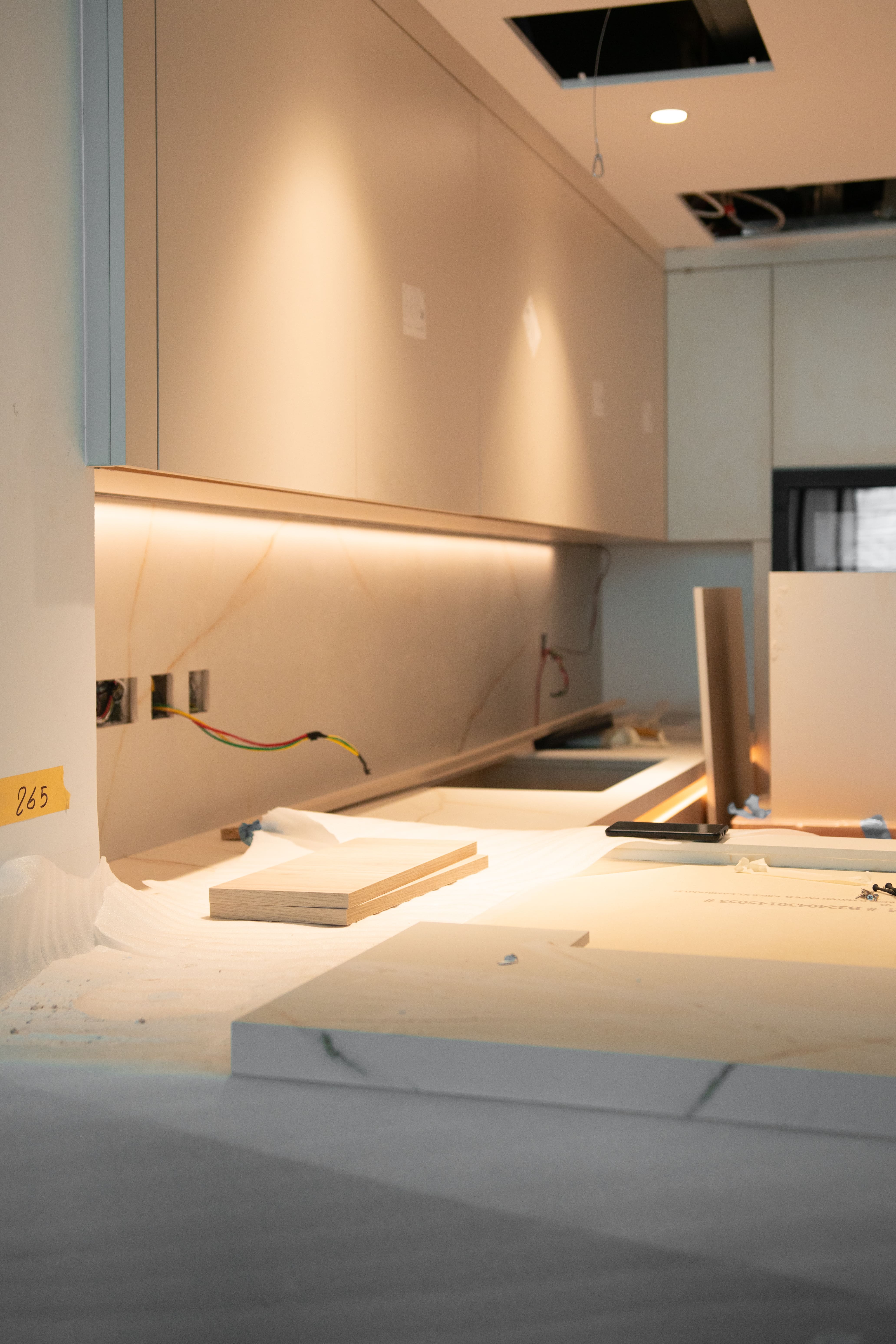
Often a fit-out-level intervention is enough.
Resale Kitchens
Often require:
cabinetry replacement
plumbing fixture upgrades
surface renewal
layout refinement
This can cross into renovation, depending on condition.
Why Using a Professional Team Matters (More Than People Think)
A kitchen combines:
joinery
appliances
plumbing
electrical
ventilation
finishes
When these are handled by fragmented suppliers, responsibility becomes blurred.
A professional team:
coordinates tolerances
aligns materials with usage
manages installation sequencing
ensures warranty clarity
This dramatically reduces post-installation issues.
Warranty: The Question Too Few People Ask
Before approving a kitchen, owners should ask:
What warranty covers cabinetry?
What warranty covers hardware?
Who services issues after installation?
What is excluded?
A kitchen without warranty is a short-term solution—no matter how expensive it looks.
Practical Dubai Scenarios
Scenario A: Apartment, Open Kitchen, Owner-Occupied
Problem: kitchen dominates living room visually
Solution: integrated finishes, calmer palette, hidden storage
Outcome: cohesive interior, less visual stress
Scenario B: Holiday Home
Problem: wear and tear, guest misuse
Solution: durable finishes, simplified storage, easy maintenance
Outcome: fewer complaints, better reviews
Scenario C: Villa Kitchen
Problem: large space but inefficient flow
Solution: zoning, pantry logic, family-use planning
Outcome: kitchen becomes functional hub, not obstacle
Cost Perspective (Without Misleading Promises)
Kitchen renovation cost depends on:
scope (fit-out vs renovation)
material quality
storage complexity
appliance integration
The most expensive kitchen is often the one done twice.
What to Consider Before Starting a Kitchen Renovation
Is the kitchen open or closed?
How does it visually affect the living space?
Do you need more storage or better storage?
Are materials chosen for longevity?
Is warranty clearly defined?
Does the team understand Dubai usage patterns?
FAQs
1. Why do most kitchens in Dubai need renovation?
They are designed for broad appeal, not real lifestyle needs—especially in open-plan layouts.
2. Is an open kitchen always a problem?
No, but it requires careful design and integration with the interior.
3. What is the most important upgrade in a kitchen?
Storage planning and workflow usually matter more than finishes.
4. Are expensive kitchens always better?
No. Quality depends on construction, hardware, and planning—not price tags.
5. How long should a kitchen last?
With proper design and materials, many years with minimal adjustment.
6. Should I always change appliances?
Not always, but placement and integration often need improvement.
7. Is warranty really that important?
Yes. Kitchens are high-use systems, not decorative pieces.
In Dubai, kitchens fail not because they are badly built—but because they are not designed for the way people actually live.
A well-renovated kitchen doesn’t draw attention to itself.
It blends into the home, supports daily life quietly, and ages without frustration.
That is the difference between a kitchen that looks good—and one that lasts.
Similar Topic