What Developers Don’t Finish in Dubai (and Owners Always Redo)
Guide
Oct 17, 2025
4 Min Read
There’s a moment that happens in Dubai more often than people admit. You buy a property—either a brand-new unit in a new development or a resale apartment that “looks fine”—and for the first few days you’re genuinely happy. Then real life arrives.
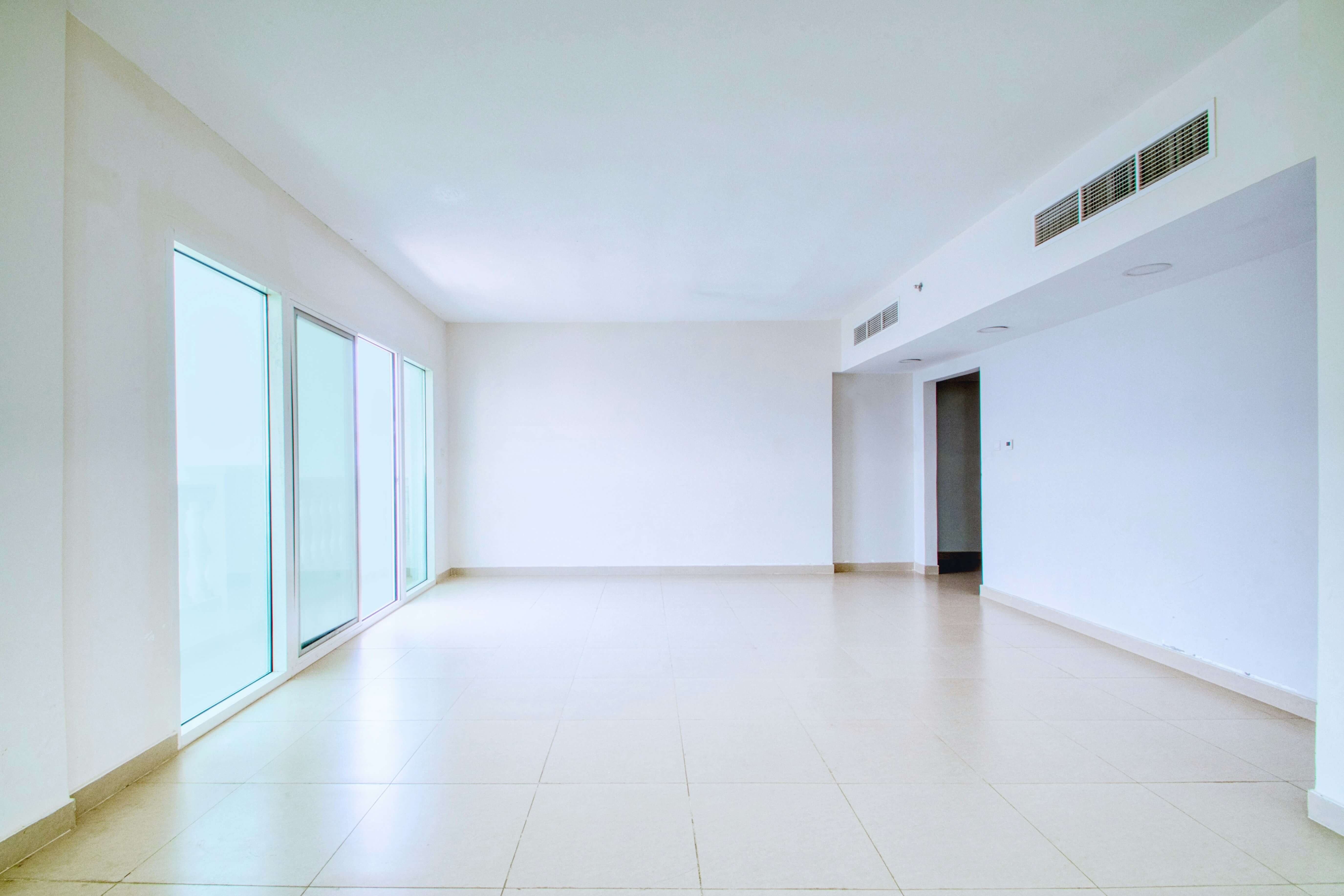
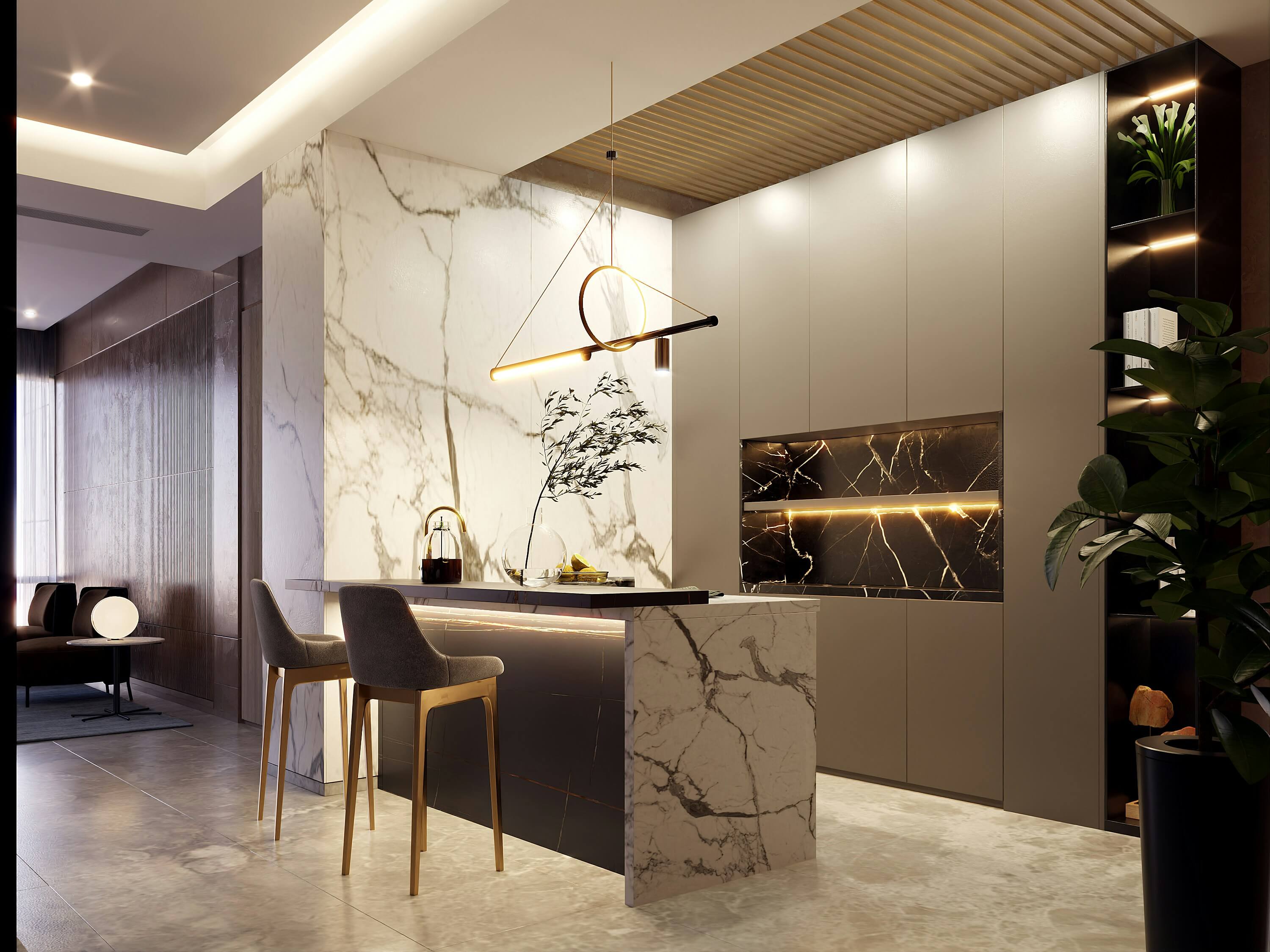
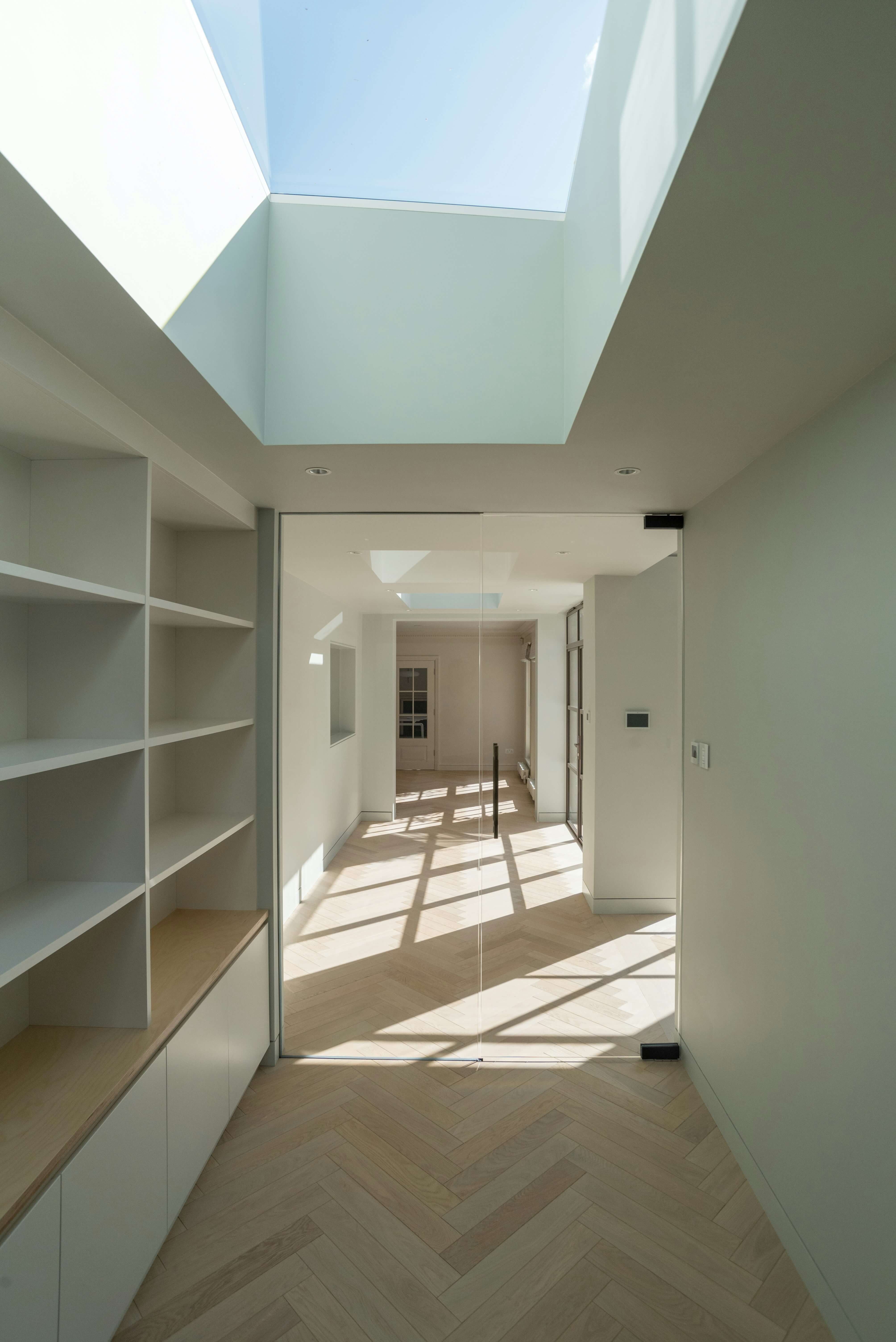
You try to store luggage. You notice the lighting makes the space feel flat at night. The kitchen works, but it doesn’t flow. You realise the bathroom is clean, but it feels dated or awkwardly planned. You discover small practical things: where do the cleaning supplies go? why does this corner feel unusable? why is there no proper place for coats, shoes, a vacuum, a printer, kids’ backpacks?
None of this means the property is bad. It means the property is delivered for the average buyer—and most people are not average in how they live.
In Dubai, whether you buy new or resale, you almost always end up needing a contractor. The only difference is scope:
New development: you usually need a fit-out (to make it yours).
Resale: you may need a fit-out plus selective renovation (to make it reliable again).
This article breaks down—insider-style—what developers typically don’t finish, what owners commonly redo, and how to plan the right scope without overspending or living in a construction zone longer than necessary.
How It Usually Works in Dubai (New vs Resale)
New development reality
New builds are often delivered in “handover-ready” condition:
visually clean
standard finishes
standard layouts
compliant systems
But “handover-ready” is not “life-ready.”
Developers optimise for:
broad appeal
controlled cost
repeatable delivery
efficient maintenance for the building overall
This is not a criticism; it’s the business logic of large-scale development.
Resale reality
Resale properties often look acceptable in listing photos, but they come with:
wear and tear in high-use zones (kitchen, bathrooms, doors, wardrobes)
systems that may need servicing (AC, plumbing, electrical points)
finishes that date the space quickly even if they are intact
With resale, the scope can swing: sometimes a smart fit-out is enough; sometimes technical updates are the difference between a smooth sale and years of small frustrations.
What Developers Commonly Don’t Finish (or Finish “Standard”) — and Why Owners Redo It
1) Storage (the #1 redo, quietly)
Most developer-delivered units have wardrobes—but not storage strategy. People underestimate how quickly a home feels small when storage isn’t planned around real life.
Owners often redo:
entry storage (shoes, bags, coats)
utility storage (vacuum, mop, cleaning products)
linen storage (towels, bedding)
concealed shelves in dead zones
full-height wardrobes that actually use the vertical space
What people get wrong:
They buy furniture to “solve storage,” then the apartment becomes crowded and visually noisy.
How professionals approach it:
Map storage by category, frequency, and location. Joinery becomes an architectural solution, not a furniture patch.
2) Lighting (because standard lighting rarely flatters)
Many units come with lighting that is functional, not layered. The room looks fine at noon, then feels dull at night.
Owners often redo:
add layered lighting (ambient + task + accent)
improve colour temperature consistency
upgrade switches, dimmers, and control logic
add proper lighting for mirrors, kitchen worktops, and reading zones
What people get wrong:
They focus on decorative fixtures and ignore lighting structure.
Professional approach:
Start from use. Where do you cook? read? work? apply makeup? host?
Then design light around behaviour. This changes how the whole property feels—with relatively controlled scope.
3) Kitchens (functional, but rarely “yours”)
Developer kitchens are often built to be neutral and sellable:
standard cabinet layout
standard hardware
limited pantry logic
average worktop choices
appliance selections that are fine, but not always ideal
Owners redo:
cabinet fronts or full kitchen joinery
pantry upgrades and internal organization
worktops for durability and aesthetic
lighting under cabinets
built-in appliance integration
better hardware and soft-close systems
New vs resale nuance:
In new builds, a kitchen redo can be as light as new fronts + worktop + storage logic.
In resale, owners often address plumbing fixtures and worn cabinetry too.
4) Bathrooms (where “property age” shows first)
Bathrooms are where buyers and owners feel quality immediately. They don’t need to be huge. They need to feel clean, logical, and durable.
Owners commonly redo:
tiling strategy (especially grout, edges, detailing)
vanity storage and mirror/lighting
fixtures that feel dated
shower experience (pressure, enclosure, drainage)
sealing and finishing details that affect maintenance
What people get wrong:
They change visible items only, leaving underlying issues that cause repeated small problems.
Professional approach:
Treat bathrooms as high-wear technical zones: waterproofing logic, drainage, ventilation, durable surfaces. Then aesthetics.
5) Wall finishes and “flatness”
Standard paint and finishes are designed to be safe and uniform. They can make spaces feel generic, especially when layouts are similar across many buildings.
Owners redo:
paint quality and finish levels
feature wall strategies (with restraint)
wall cladding panels or clean architectural joinery
acoustic improvements in certain properties (case-by-case)
What people get wrong:
Over-decorating walls. It ages quickly and narrows resale appeal.
Professional approach:
Use subtle architectural detailing to add depth without trendiness.
6) Power points, charging logic, and practical placement
This is one of the most common daily-life frustrations. Power points are there—but not necessarily where you live.
Owners redo:
add sockets near beds and desks
align power points with furniture layout
add charging stations and hidden cable management
upgrade switch placements for usability
What people get wrong:
They decide furniture later, then realise power points don’t match.
Professional approach:
Plan furniture layout first, then adjust electrical accordingly.
7) “Dead zones” and awkward corners
Many layouts include areas that are technically fine but practically wasted:
corridor ends
corners near columns
under-stair zones (in villas)
oversized walls with no function
Owners redo:
built-ins that turn dead zones into storage or display
small functional work zones
reading corners
concealed utility spaces
This is where fit-out becomes value creation.
8) Outdoor living (especially in villas)
In villas, outdoor areas are often delivered in a basic condition. Many owners end up redesigning the outdoor zone because Dubai living is not purely indoor.
Owners redo:
shading and pergola solutions
outdoor seating zones
landscaping that is actually usable
lighting that supports evening use
pools (in some cases) or pool enhancements
What people get wrong:
Treat outdoor as decoration. It’s a lifestyle zone. It needs function, flow, and maintenance logic.
The Quiet Truth: New or Resale, You Will Likely Need a Contractor
If you buy new
You typically need a fit-out:
storage, lighting, kitchen usability, finishing touches
sometimes selective upgrades (depending on your lifestyle)
If you buy resale
You may need:
fit-out + selective renovation
technical servicing (AC, plumbing checks)
“reset” of high-use zones
Either way, the contractor is not a “luxury choice.” It’s the bridge between property-as-product and property-as-life.
How Professionals Decide the Scope (Without Overbuilding)
A calm way to scope this is through three layers:
Layer 1: Must-fix (reliability)
AC performance and cleaning
plumbing stability (leaks, pressure)
electrical safety and usability
doors/wardrobes alignment and hardware
Layer 2: Must-improve (daily living)
storage strategy
lighting layers
kitchen workflow
bathroom usability
Layer 3: Nice to have (identity)
feature finishes
styling
custom furniture
architectural details
What people get wrong:
They start from Layer 3 because it’s fun, then Layer 1 disrupts everything later.
Practical Examples (Real Dubai Decision Patterns)
Example A: New 2BR apartment, owner-occupied
Common redo:
entry storage + wardrobe upgrades
lighting plan and dimming
kitchen front/worktop refresh
Outcome:
feels personal, calmer, more “finished” without major renovation
Example B: Resale 1BR for rental
Common redo:
bathroom refresh + lighting + durable flooring
basic joinery improvements
Outcome:
better photos, stronger tenant appeal, fewer maintenance issues later
Example C: New villa for a family
Common redo:
home office zone + storage walls
kitchen functionality + pantry
outdoor zone for evening living
Outcome:
the villa becomes livable, not just impressive
What to Consider Before Buying (If You Want Fewer Surprises)
If you are about to buy, these questions save time later:
Does the unit already have enough storage for real life?
Do the bathrooms feel modern and easy to maintain?
Does the kitchen support how you cook?
Is the lighting layered or purely functional?
Are there enough power points where furniture would logically go?
For resale: do systems feel stable (AC, plumbing, electrical)?
If several answers are “not really,” assume you will need a contractor—and plan accordingly.
A Safe, Honest Note About Approvals and Rules
Different communities and developments have different renovation guidelines. The best approach is not to “fight the system” but to plan with it: define scope clearly, coordinate properly, and build time for any required approvals into your schedule. This is simply part of renovating responsibly in a structured environment.
FAQs (Schema-Friendly)
1) Do new developments in Dubai usually need renovation?
Not always renovation, but many owners do a fit-out to add storage, better lighting, and personalised functionality.
2) What’s the most common thing owners redo after handover?
Storage and joinery—because standard layouts rarely match real daily needs.
3) Is it better to buy resale and renovate, or buy new and fit-out?
Both paths usually require a contractor. Resale may need more technical updates; new may need functional personalisation.
4) What upgrades help resale value without overcapitalising?
Bathrooms refresh, lighting, flooring consistency, and clean storage solutions typically help broad buyer appeal.
5) Can I do upgrades gradually instead of all at once?
Yes—if planned in a logical sequence. Random upgrades often create rework.
6) Do I need to plan maintenance even for new properties?
Yes. Regular AC and plumbing checks help preserve performance and prevent minor issues from accumulating.
7) What’s the biggest mistake after buying a property?
Starting with aesthetics before reliability and daily function.
If you’re buying new or resale in Dubai, the most cost-effective move is usually not “a big renovation,” but a clear scope: what must be fixed, what must be improved, and what is simply preference. Once that is defined, fit-out and renovation become predictable—and the property becomes easier to live in, rent out, or sell.
Similar Topic