How Much Does Renovation Really Cost in Dubai?
Guide
Feb 7, 2024
5 Min Read
There is a moment almost every property owner in Dubai experiences. You ask a simple question — “How much will renovation cost?” — and receive five completely different answers. Online ranges are wide. Friends’ experiences contradict each other. Contractors hesitate to give clear numbers.
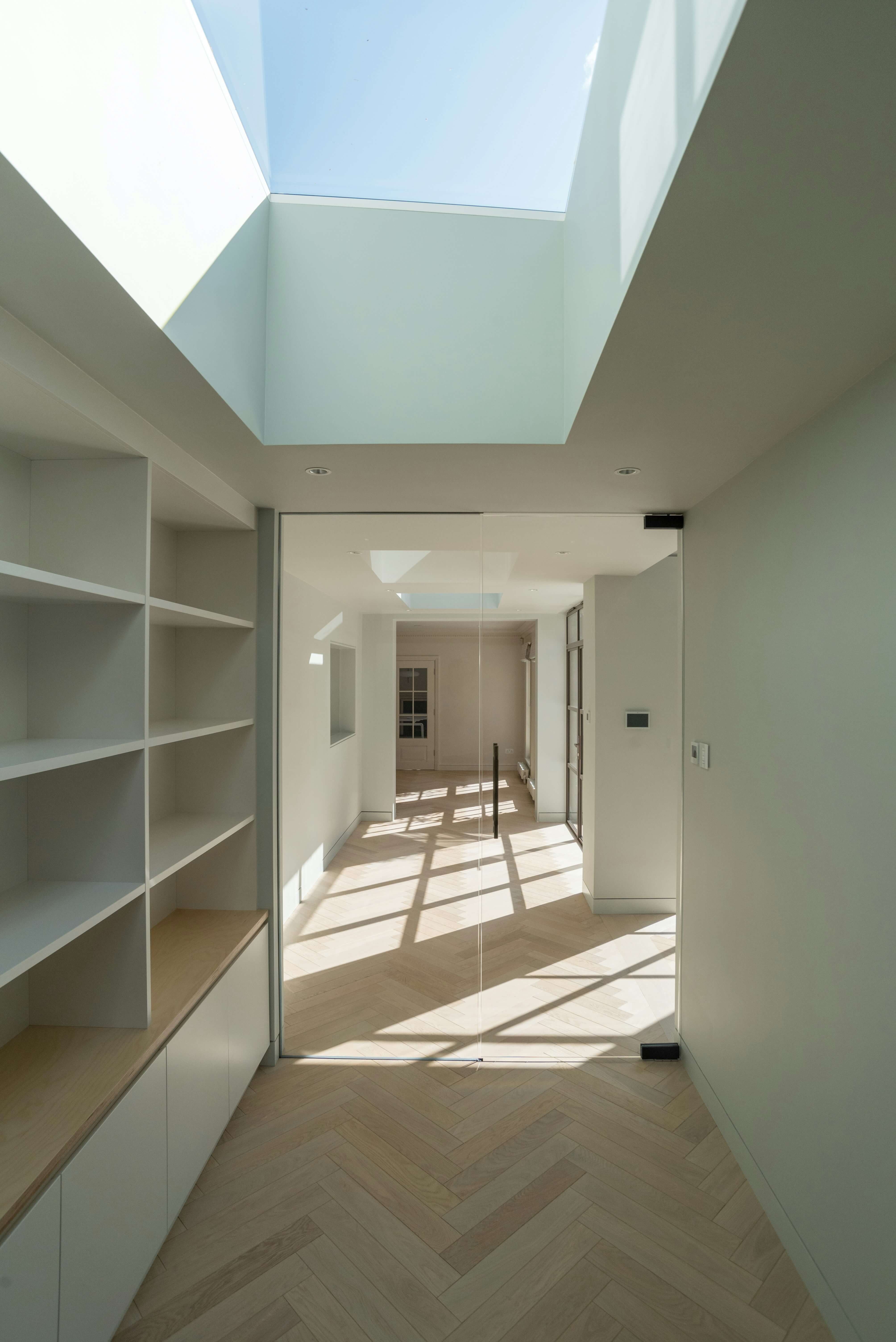
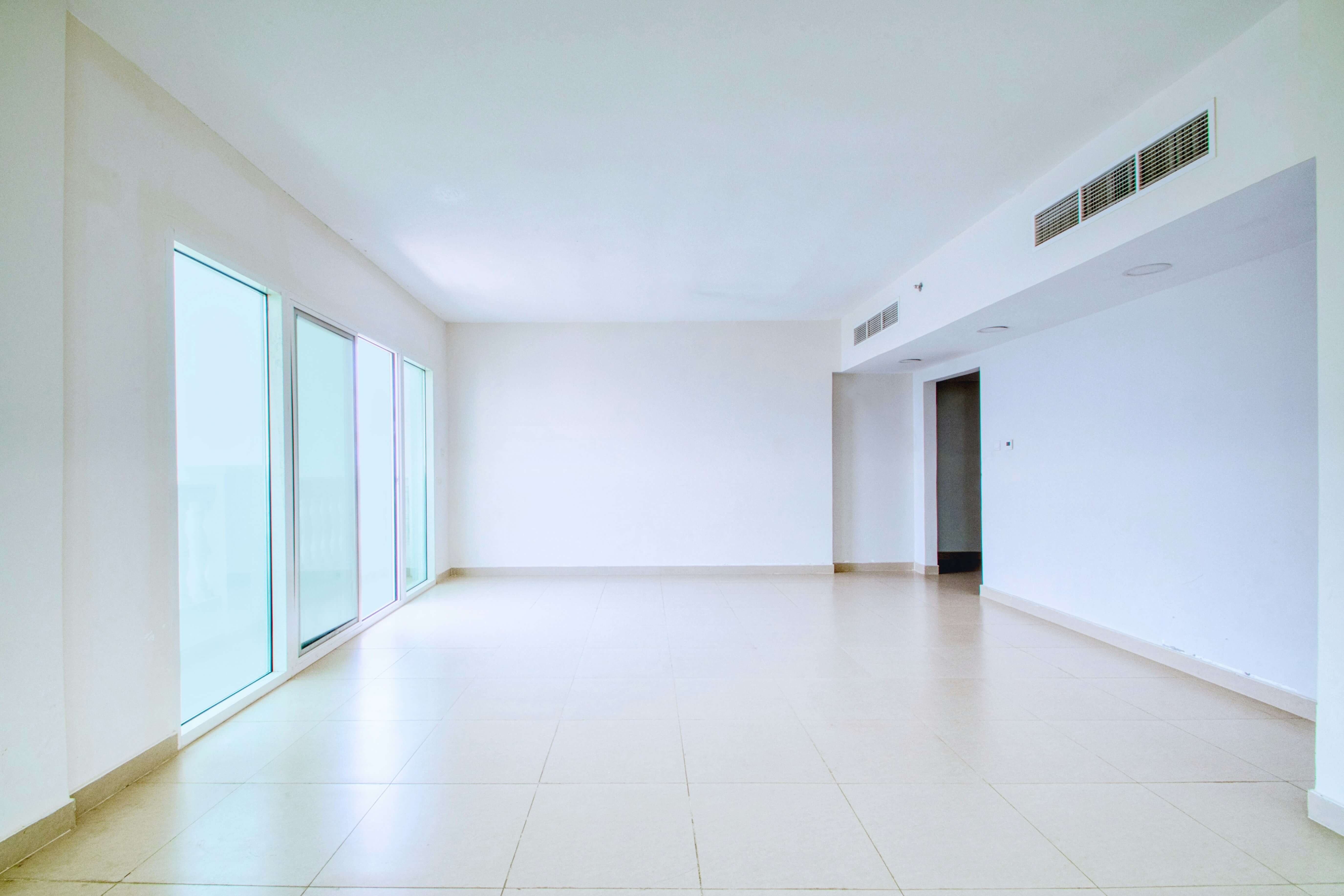
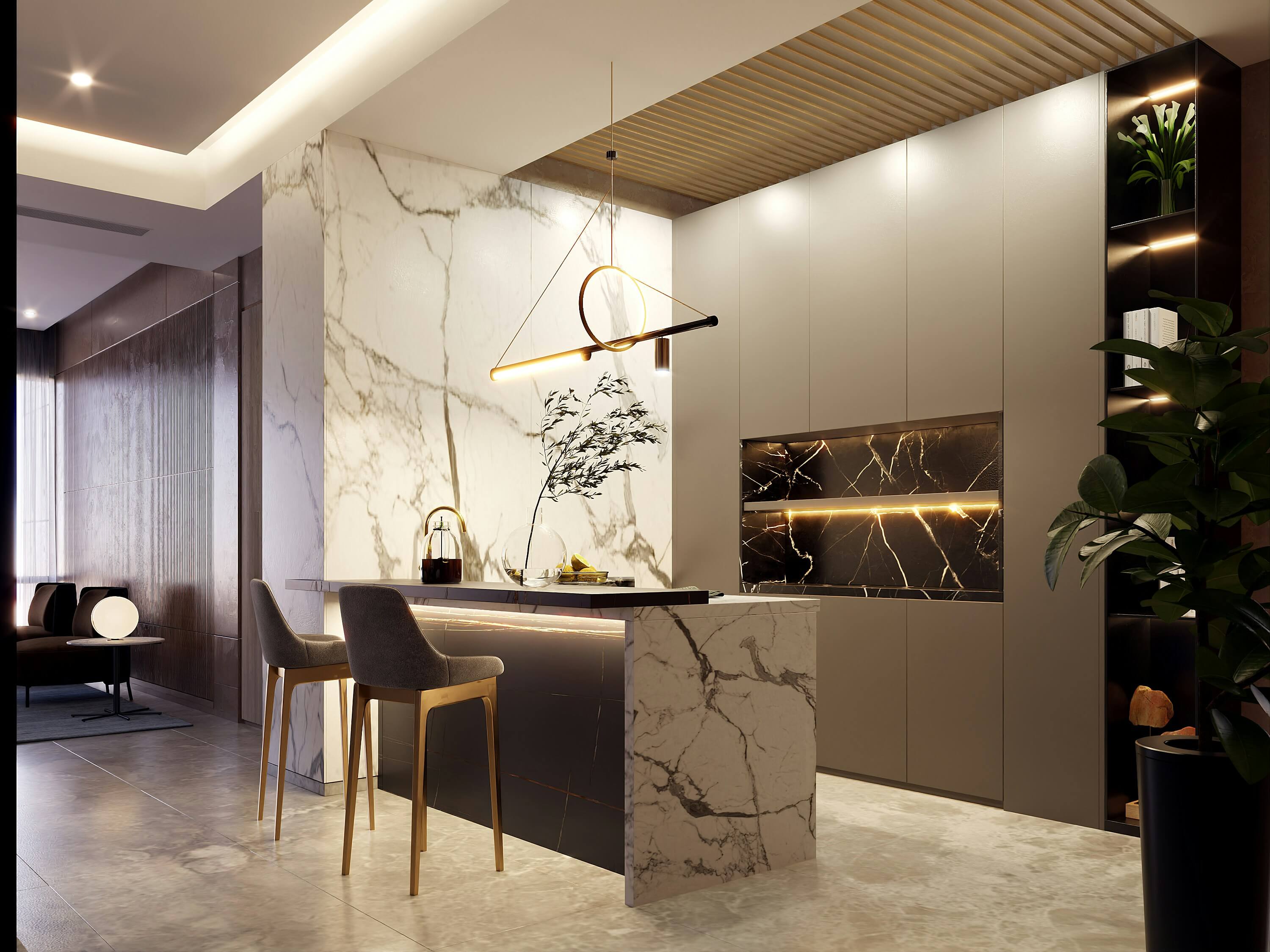
The confusion is understandable. Renovation cost in Dubai is not a fixed price problem — it is a scope definition problem. And when scope is unclear, budgets rarely behave.
This guide explains how renovation costs actually work in Dubai, what genuinely affects pricing, where owners unintentionally overspend, and how experienced professionals structure budgets without drama or surprises.
How Renovation Costs Usually Work in Dubai
Renovation pricing in Dubai is influenced by several layers that interact with each other. Unlike retail products, renovation is not a single item — it is a sequence of decisions.
At a high level, most renovation budgets are shaped by:
property type (apartment, villa, commercial)
condition of the space (new build vs secondary)
scope depth (cosmetic vs technical)
materials and finishes
custom elements (joinery, furniture, cladding)
approvals and coordination requirements
Two apartments of the same size can have very different renovation costs depending on these variables.
This is why generic “price per square meter” estimates often fail — they ignore how people actually live in the space and what the property requires to function properly.
The Most Common Mistakes Owners Make With Budgets
1. Starting With a Number Instead of a Scope
Many owners begin by deciding how much they want to spend before defining what needs to be done. This often leads to compromises later that cost more to correct than doing it properly once.
Example:
An owner budgets for a “light renovation” but later realises the bathrooms need plumbing changes. The project shifts mid-way, increasing cost and timeline.
2. Treating Renovation as Decoration
Renovation is often approached as an aesthetic exercise rather than a functional one. Finishes are selected before layout, storage, lighting, and technical systems are resolved.
This results in visually pleasing spaces that don’t work comfortably day to day — and require additional spending after move-in.
3. Ignoring Indirect Costs
Indirect costs rarely appear in early discussions but often impact the final budget:
temporary accommodation delays
rushed decisions leading to rework
corrective fixes after poor execution
additional approvals due to scope changes
These are not “hidden fees” — they are consequences of unclear planning.
4. Comparing Quotes Without Comparing Scope
Two quotes may look different in price but also differ in:
material quality
level of detailing
inclusions vs exclusions
warranty and responsibility
Comparing numbers without understanding scope almost always leads to choosing incorrectly.
What Actually Drives Renovation Cost in Dubai
1. Scope Depth (Cosmetic vs Technical)
Cosmetic upgrades: finishes, paint, surface replacements
Technical upgrades: plumbing rerouting, electrical changes, MEP coordination
Technical work increases cost not because it is inefficient, but because it requires precision, compliance, and sequencing.
2. Materials (Not Just Price, but Performance)
Material cost is not only about upfront pricing. It also includes:
installation complexity
durability in Dubai’s climate
maintenance frequency
Sometimes a slightly higher-quality material results in a lower long-term cost.
3. Custom Elements
Custom joinery, wardrobes, kitchens, and furniture increase cost — but they also solve problems standard solutions cannot. The key is using custom work where it adds value, not everywhere.
4. Approvals & Coordination
Certain renovation scopes require coordination with developers or authorities. This doesn’t necessarily mean “more expensive” — but it does mean more structured planning.
Professionals account for this upfront rather than reacting later.
How Professionals Structure Renovation Budgets
Experienced teams don’t start with “how much do you want to spend?”
They start with how the property should function.
Step 1: Functional Audit
how the space will be used
pain points in layout and flow
maintenance risks
Step 2: Scope Layering
Budgets are structured in layers:
Must-fix (function, safety, systems)
Must-improve (layout, storage, comfort)
Optional enhancements (aesthetic upgrades)
This allows controlled decision-making without emotional spending.
Step 3: Cost Logic, Not Guesswork
Costs are allocated per system:
construction & finishes
MEP & technical works
joinery & furniture
lighting & electrical
contingency
This makes adjustments rational, not reactive.
Practical Cost Scenarios in Dubai
Scenario A: Apartment Renovation (Owner-Occupied)
focus on storage, lighting, kitchen usability
moderate material upgrades
limited technical changes
Cost impact: controlled, predictable
Scenario B: Holiday Home Renovation
emphasis on durability and guest perception
stronger bathroom and lighting investment
custom furniture for layout efficiency
Cost impact: higher upfront, stronger ROI
Scenario C: Villa Renovation
interiors + outdoor spaces
landscaping and pool considerations
deeper coordination
Cost impact: higher, but spread across multiple functional zones
What to Consider Before Finalising a Budget
How long do you plan to hold the property?
Is the renovation for living, renting, or resale?
Are you optimising for comfort or market performance?
Are you solving root problems or surface symptoms?
Clear answers reduce unnecessary spending.
Renovation Cost in Dubai (2026): Realistic Price Ranges per sqm
One of the most common questions owners ask is for a “price per square meter.” While no renovation should be planned purely this way, sqm ranges can be useful as a directional reference — as long as they are understood correctly.
The figures below reflect typical market ranges in Dubai for 2026, based on residential projects (apartments and villas) with standard access conditions. They are indicative only and vary depending on scope, materials, approvals, and technical complexity.
Renovation Cost Ranges per 1 sqm (Dubai, 2026)
Renovation Type | Estimated Cost (per sqm, AED) |
Basic Upgrade | 1,200 – 2,000 AED |
Mid-Range Renovation & Fit-Out | 2,000 – 3,500 AED |
Luxury Renovation | 3,500 – 6,000 AED |
Luxury Plus Renovation (No Defined Limit) | 6,000+ AED |
What Each Renovation Level Typically Means
Basic Upgrade (1,200 – 2,000 AED / sqm)
A basic upgrade focuses on refreshing the space without altering its technical structure. It is usually chosen when the property is in acceptable condition but feels dated or visually tired.
This level typically includes:
repainting and surface refresh
replacement of selected fixtures (lighting, switches, fittings)
minor carpentry fixes
limited flooring or tile replacement
no plumbing or layout changes
Best suited for:
quick refresh before renting
light updates for recently handed-over units
properties with minimal wear
Limitations:
This level does not solve layout, storage, or system-performance issues. It improves appearance, not function.
Mid-Range Renovation & Fit-Out (2,000 – 3,500 AED / sqm)
This is the most common renovation range for owner-occupied apartments, holiday homes, and practical villa upgrades.
It usually includes:
kitchen and bathroom upgrades (without full structural rework)
improved lighting design
built-in storage and selected custom joinery
better-quality flooring and finishes
limited plumbing or electrical adjustments
Best suited for:
apartments for living or short-term rental
owners seeking comfort, durability, and clean aesthetics
properties where layout works but needs optimisation
This level balances cost control and meaningful improvement and often delivers the best cost-to-benefit ratio.
Luxury Renovation (3,500 – 6,000 AED / sqm)
Luxury renovation focuses on material quality, detailing, and architectural coherence. It goes beyond surface upgrades and addresses how the space is experienced daily.
Typically includes:
full kitchen and bathroom renovation
higher-grade materials (stone, wood, premium tiles)
extensive custom joinery and furniture
advanced lighting and ceiling details
deeper MEP coordination where required
Best suited for:
private villas
premium apartments
owners planning long-term living or high-end resale
At this level, design, execution quality, and coordination become as important as materials themselves.
Luxury Plus Renovation — No Defined Limit (6,000+ AED / sqm)
Luxury Plus renovation is not a budget category, but a design philosophy. The scope is defined by vision rather than constraints.
It may include:
fully bespoke interiors and furniture
rare or imported materials
architectural modifications
complex detailing and craftsmanship
integrated indoor–outdoor concepts
extended timelines and specialised production
Best suited for:
signature private residences
statement villas
owners prioritising uniqueness and longevity over budget ceilings
At this level, projects are managed as custom builds, not standard renovations.
Important Context (Read Before Using These Numbers)
These ranges do not replace a project-specific estimate
Costs vary by building rules, access, approvals, and scope changes
Two properties of equal size can fall into different categories
Proper planning often saves more than choosing a cheaper tier
Professionals use sqm ranges as orientation, then build budgets based on actual scope, systems, and performance requirements — not assumptions.
FAQs
1. Is renovation in Dubai expensive compared to other cities?
It depends on scope. Dubai offers a wide range of solutions, but planning quality determines cost efficiency.
2. Can I renovate in stages to manage budget?
Yes, if the stages are planned logically. Random phasing often costs more.
3. Do custom elements always increase cost significantly?
Only when used excessively. Strategic custom work often reduces long-term issues.
4. Are cheaper contractors always riskier?
Price alone is not the risk. Unclear scope and weak coordination are.
5. Should I include contingency in my budget?
Yes. A realistic contingency reduces stress and rushed decisions.
6. Does renovation always require approvals?
Not always. It depends on scope, property type, and community rules.
7. What is the biggest budget mistake?
Starting work before defining scope clearly.

Similar Topic